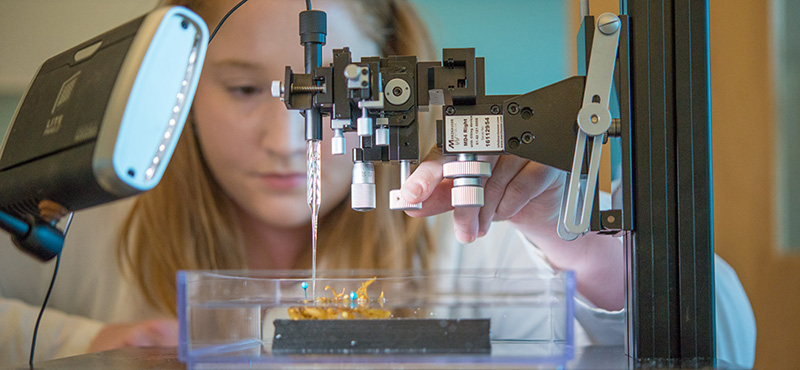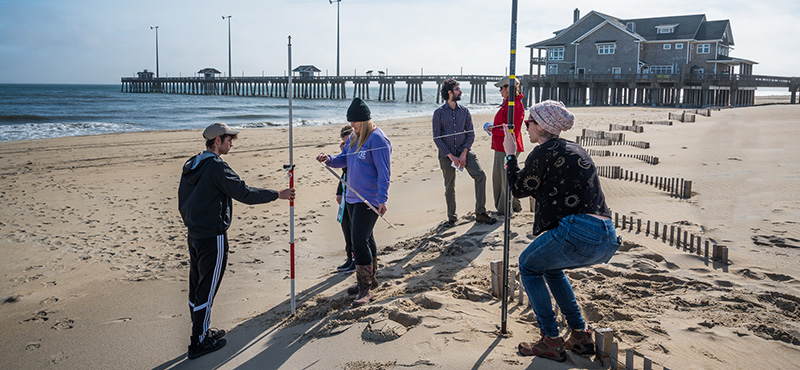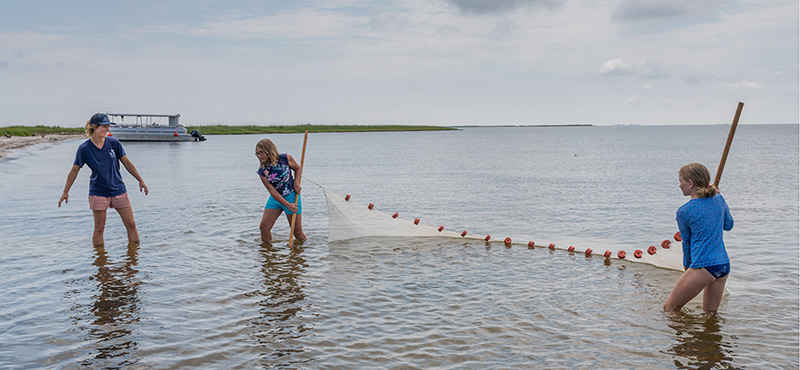
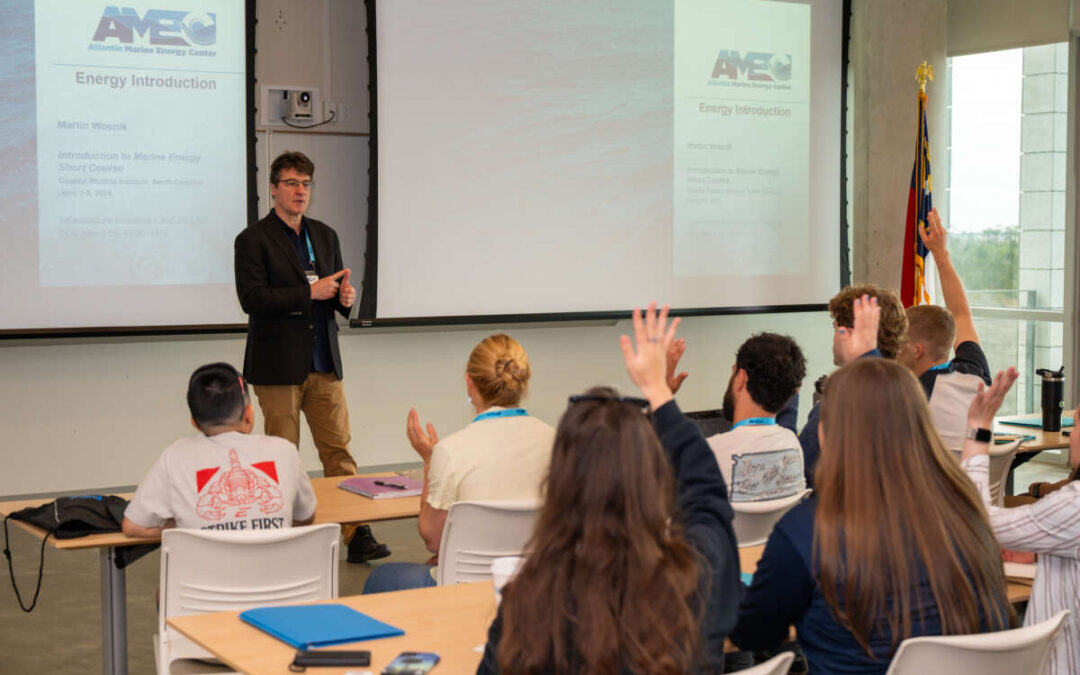
With undergraduate classes over and summer camps yet to begin, the hallways and classrooms of the ECU Outer Banks Campus were far from empty the first week of June. Instead, the campus became a hub for the next generation of marine energy researchers as the Coastal Studies Institute (CSI) hosted the Atlantic Marine Energy Center’s (AMEC) Introduction to Marine Energy Short Course from June 1-5, 2026.
This fully funded, week-long course brought 23 students from 13 universities across 10 states to the Outer Banks for an immersive introduction to marine energy. Designed for rising juniors and seniors and early graduate students, the course combined a multidisciplinary foundation in marine energy with opportunities to learn directly from researchers and industry professionals. The 2026 course marked the second offering of the program, following its inaugural session at the University of New Hampshire in August 2025.
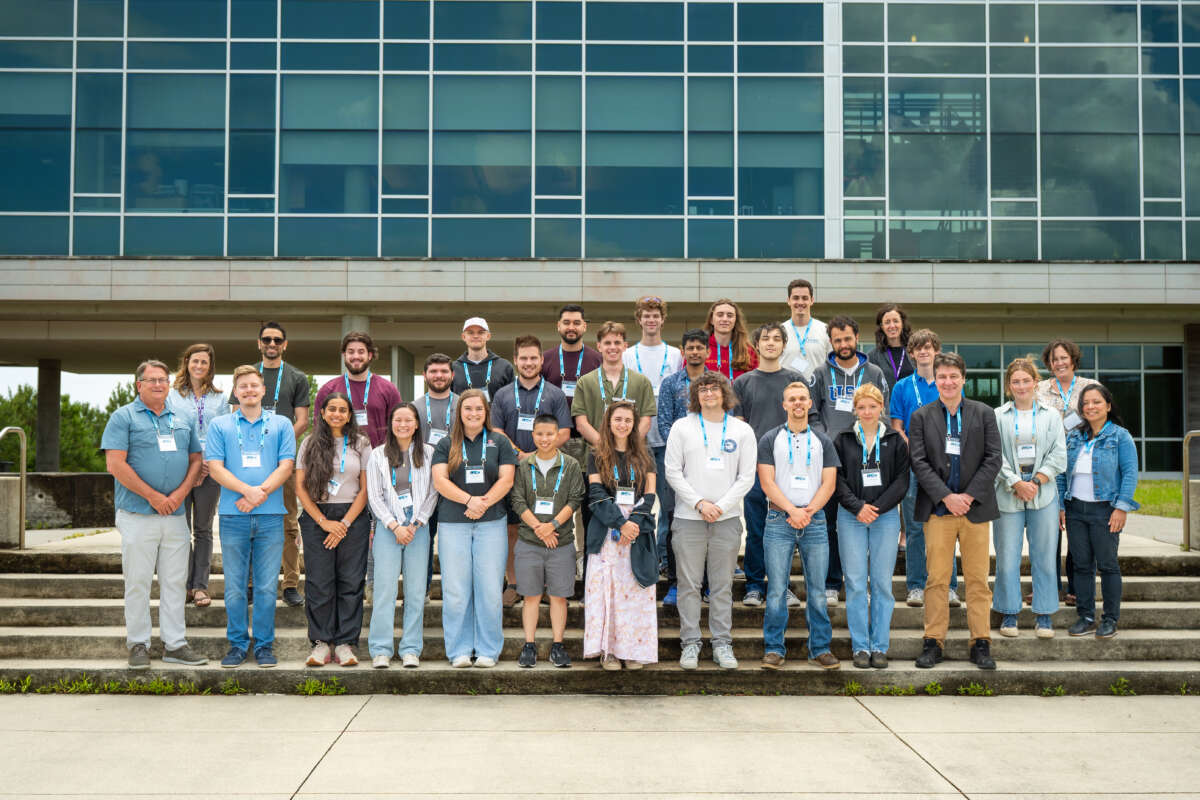
Participants represented fields ranging from engineering and energy systems to environmental health and science. The curriculum reflected that diversity through lectures, hands-on exercises, workshops, field experiences, and collaborative projects. Students explored the breadth of marine energy topics, including tidal and current energy, wave energy, ocean thermal energy conversion, environmental considerations and permitting, economics, policy, microgrids, stakeholder engagement, marine spatial planning, and numerical modeling. Experts from AMEC, CSI, partner institutions, and industry provided a broad perspective of marine energy development.
For Vincent Hlavacek, a mechanical and aerospace engineering master’s student at Michigan Technological University, the range of topics and hands-on experiences were highlights.
“Learning about OTEC (Ocean Thermal Energy Conversion) was a highlight that broadened my perspective on just how expansive the renewable energy landscape is. We also had the opportunity to deploy a buoy in the sound next to CSI, a hands-on experience that brought the coursework to life.”
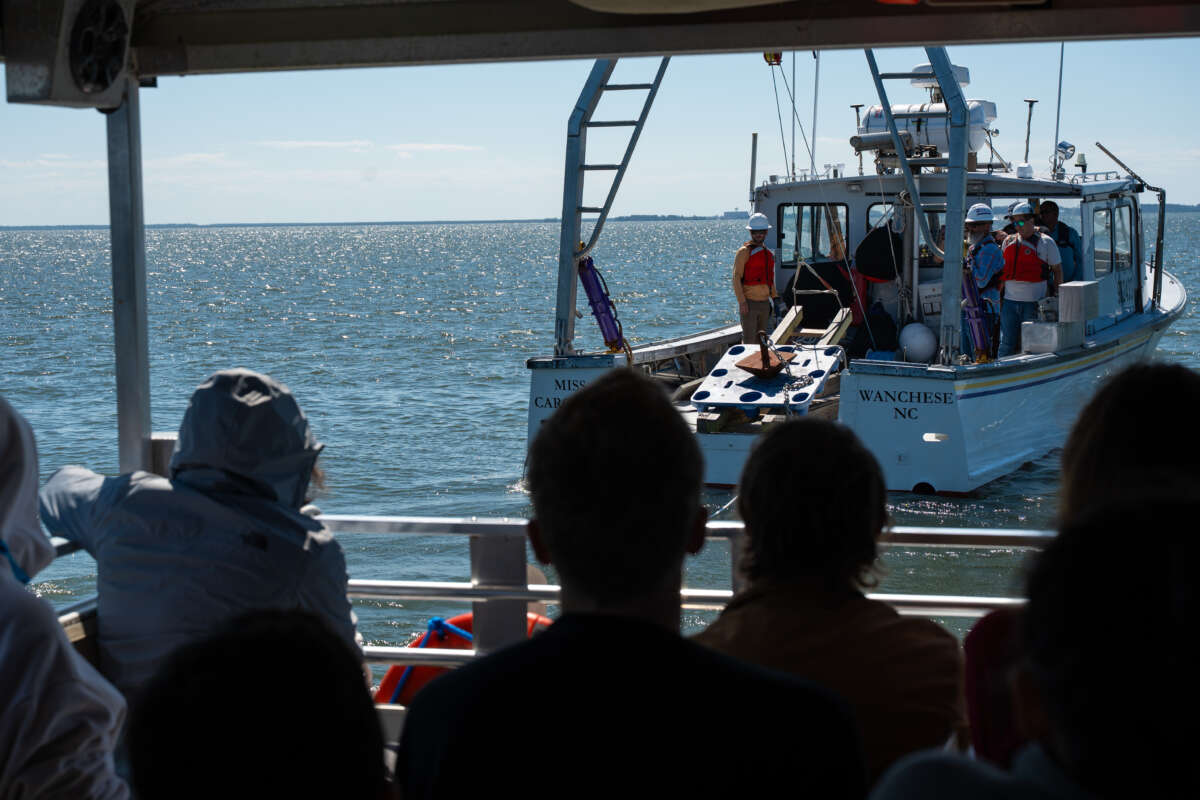
On Wednesday afternoon, students participated in a Wave Energy Converter (WEC) Deployment Workshop at CSI’s Marine Operations Building. The workshop aimed to showcase the intricacies of device deployment, expose discrepancies between theoretical designs and functional devices, and emphasize the importance of on-the-water experience. After an overview of previous CSI-led deployments, students rotated through four stations covering environmental monitoring and permitting, fabrication and rigging, diving operations, and pre-deployment planning and vessel operations. The afternoon culminated on the Croatan Sound, where students aboard the R/V Discovery observed CSI and AMEC personnel aboard the R/V Miss Caroline demonstrate the safe deployment and recovery of a marine energy test article.
The week also reinforced the adaptability required when working in marine environments. A strong northeast blow postponed wave observations and other activities until Thursday, when students split their time between wave observations and a visit to the Wright Brothers National Memorial in Kill Devil Hills, NC. During a self-guided exploration of the memorial museum, students examined the Wright brothers’ innovative and iterative approach to solving a complex engineering problem, which led them to achieve the first controlled, sustained flight of a powered aircraft. The Wright brothers’ willingness to experiment, learn from failure, and test their designs in real-world conditions mirrors the process that is required of modern-day marine energy research. From bench testing to field experiments and in-water deployment, innovation relies on the lesson of being willing to learn and adapt.
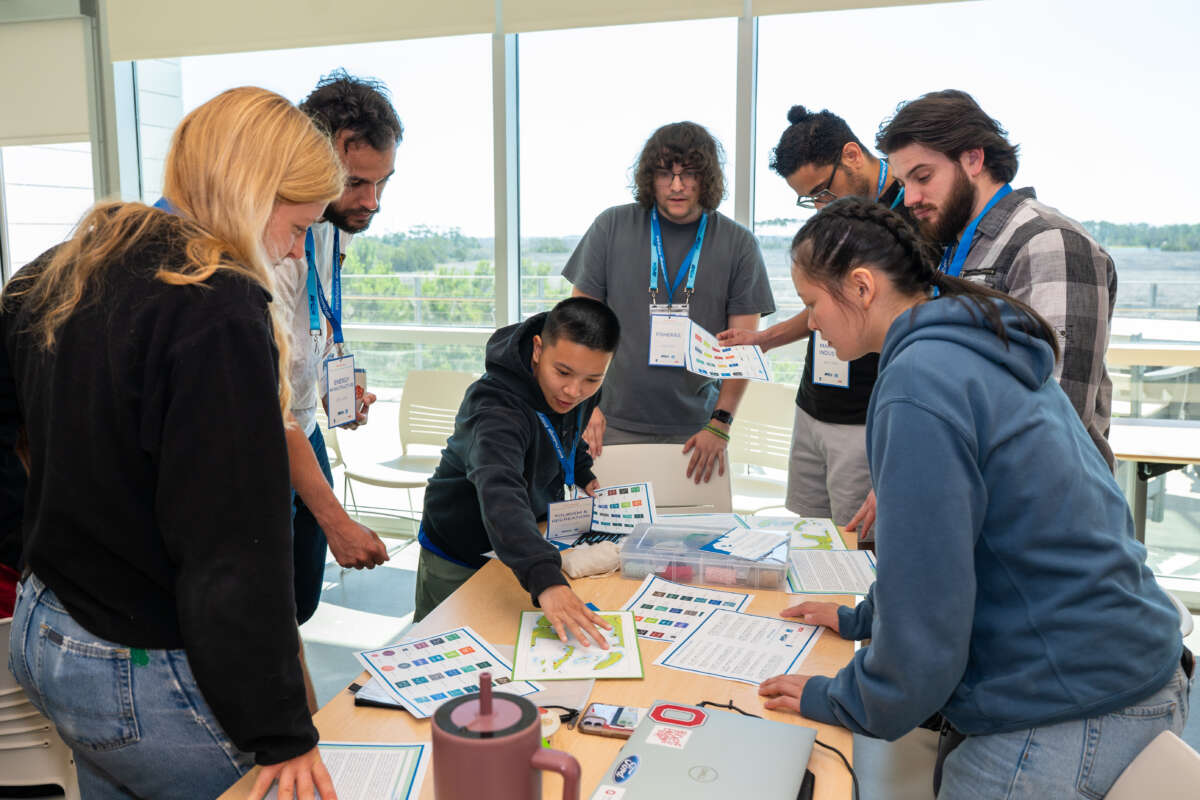
A weeklong group project allowed students to apply what they learned. On the first day, students were assigned groups and paired with instructor mentors. Each group was tasked with developing a marine energy installation proposal addressing resource quantification, technical design of a marine energy system, economic considerations, environmental considerations, and stakeholder engagement. This prompt challenged students to think beyond the technology and consider how marine energy systems fit into communities and environments. Groups worked throughout the week during designated project sessions, working lunches, and time with their mentors. By Friday afternoon, each team was ready to present its proposal to course participants and instructors. Projects proposed installations such as arrays of wave energy converters to power water desalination operations in Hāna, Hawaii, and wave energy systems designed to power community schools on Vancouver Island, British Columbia, for which students were praised for both their creativity and technical understanding.
The Introduction to Marine Energy Short Course is part of a larger suite of educational opportunities offered by AMEC to support workforce development. In addition to the Introduction to Marine Energy Short Course, AMEC hosted two graduate-level courses during summer 2026: Marine Energy Structures, Materials, and Foundation Systems, held at Stony Brook University, and Tidal and Water Current Energy Conversion, held at the University of New Hampshire.
The value of these short courses as training and professional development opportunities is apparent to both participants and organizers alike.
For George Bonner, AMEC Co-Director at CSI, interdisciplinary collaboration is a critical driver of progress in the marine energy space.
“Hosting the Introduction to Marine Energy Short Course was a tremendous team effort for the CSI staff alongside our partners from the Atlantic Marine Energy Center and NC State University. Bringing together such engaged, diverse participants highlighted how vital interdisciplinary collaboration is to accelerate innovation. I am excited about the momentum of these courses in forging connections across our community and advancing the responsible deployment of marine energy solutions.”
Over the next two years, AMEC plans to offer between four and six additional short courses. For the Introduction to Marine Energy Short Course, the journey is not over yet. The course will return to the University of New Hampshire in summer 2027 before coming back to the Coastal Studies Institute for its final iteration in summer 2028.
For those interested in marine energy, CSI and the Outer Banks provided a lively setting for learning that week in June. Access to the water, CSI’s research facilities, and unpredictable conditions only enhanced the experience, giving students firsthand insight into the possibilities and challenges of developing future marine energy technologies.
The preceding story first appeared in the Summer 2026 edition of CoastLines, published in September.
AMEC is a university-led research consortium between the University of New Hampshire, Lehigh University, Stony Brook University, and the Coastal Studies Institute. One of four national marine energy centers established and supported by the U.S. Department of Energy’s Hydropower and Hydrokinetic Office, AMEC works to address the ongoing needs for research, development, and testing in support of marine renewable energy technology. For more information about AMEC short courses, please visit the AMEC website.
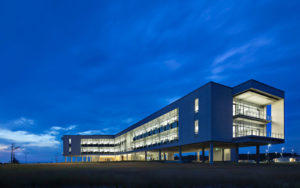
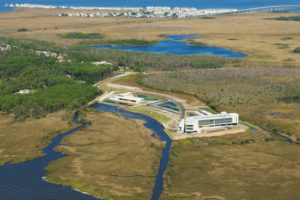 The ECU Outer Banks campus is home to the Coastal Studies Institute.
 Based at the Coastal Studies Institute (CSI), the North Carolina Renewable Ocean Energy Program (NCROEP) advances inter-disciplinary marine energy solutions across UNC System partner colleges of engineering at NC State University, UNC Charlotte, and NC A&T University. Click on the links below for more information.