Summer brings an exciting new buzz to the halls of the Coastal Studies Institute building. Campers clamor up and down the stairs, shuffle from classroom to classroom, and zip up backpacks before heading out for field trips.
Each summer, the CSI Education and Outreach team hosts nine weeks of summer camp for youth. The first eight weeks served students ages 10-15, while the final week was designed specifically for teens. During the first eight weeks, camp programs were centered on four themes, each one offered twice.
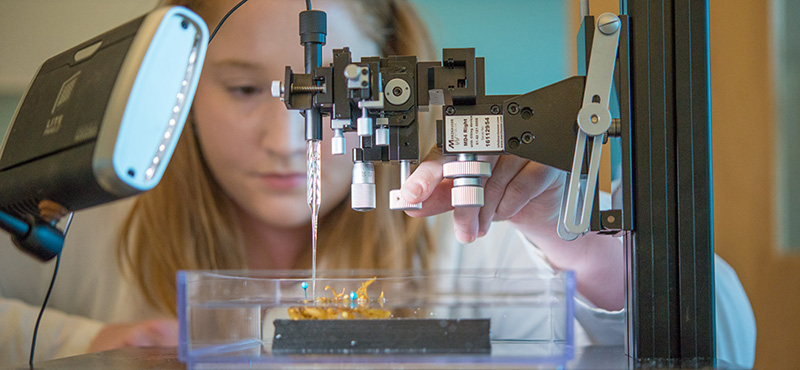
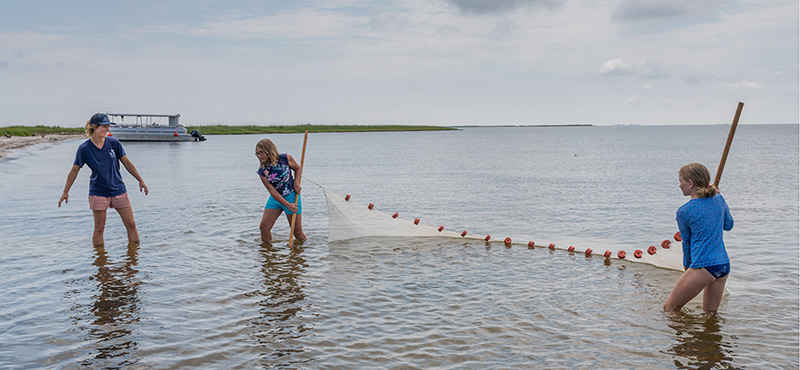
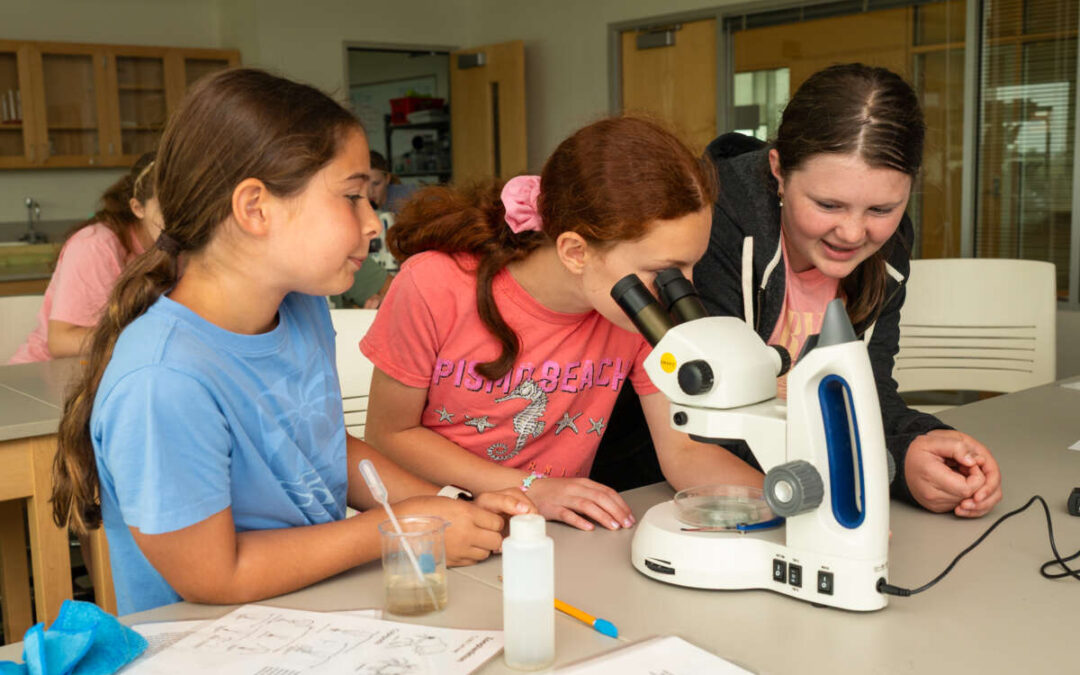
Coastal Kingdoms campers enjoyed a week of marine biology and ecology-focused lessons, activities, and field trips. They learned about various Outer Banks ecosystems, as well as the flora and fauna they support. Topics of particular interest included plankton, important fisheries like sheepshead and oysters and estuarine ecosystems. In addition, the campers visited places such as oceanfront beaches, soundside marshes, and Alligator River National Wildlife Refuge.
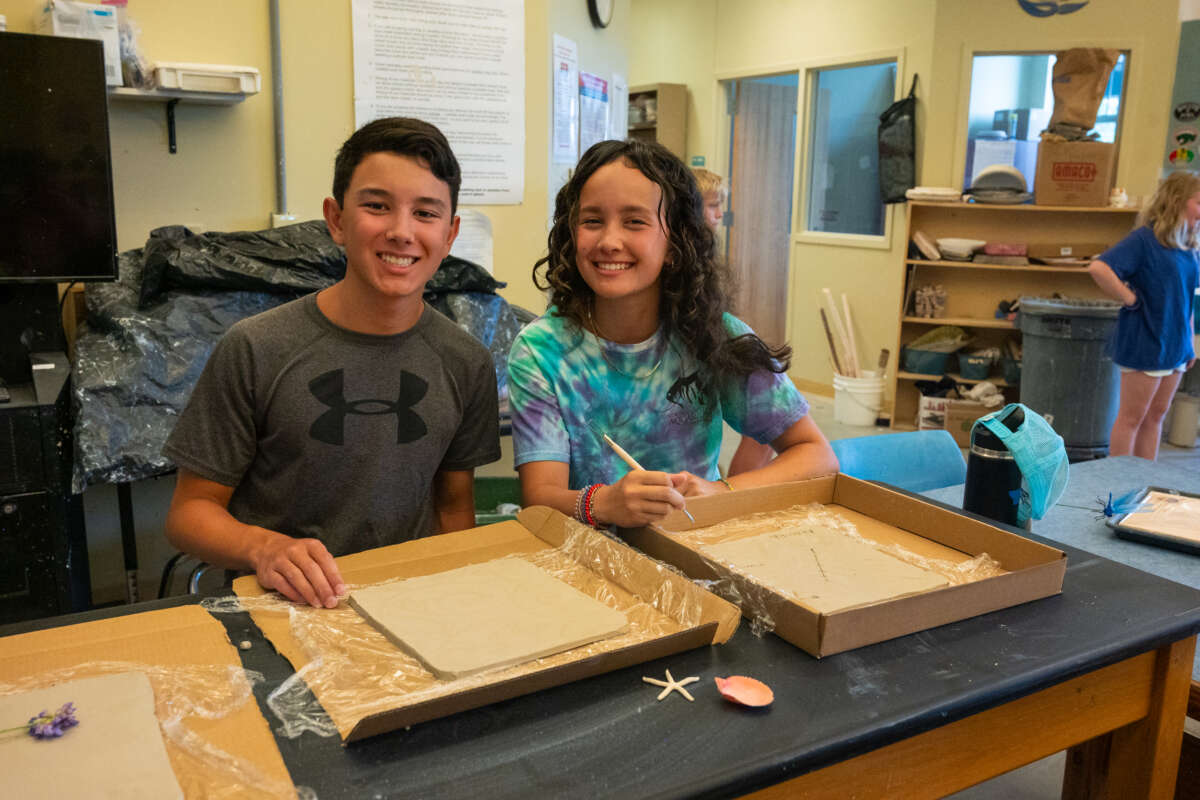
Shapes in Science participants were attracted to this art and science-themed program, which also boasted a new collaborative ceramics project with College of the Albemarle-Dare this year. The campers learned about creative landscaping with coastal native species, local shrimp populations, shorebirds and waterfowl, wave dynamics, and more. Their newfound knowledge then served as inspiration for a variety of art assignments, including photography, block printing, ceramic dishes or wall hangings, and mixed media sculptures. The week culminated in a gallery featuring their artwork for family and friends.
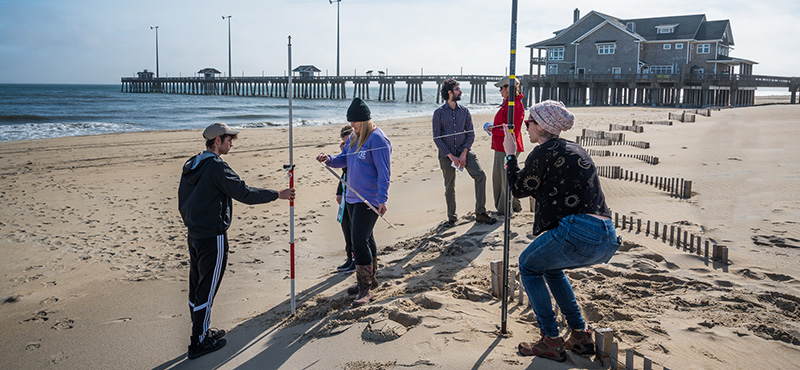
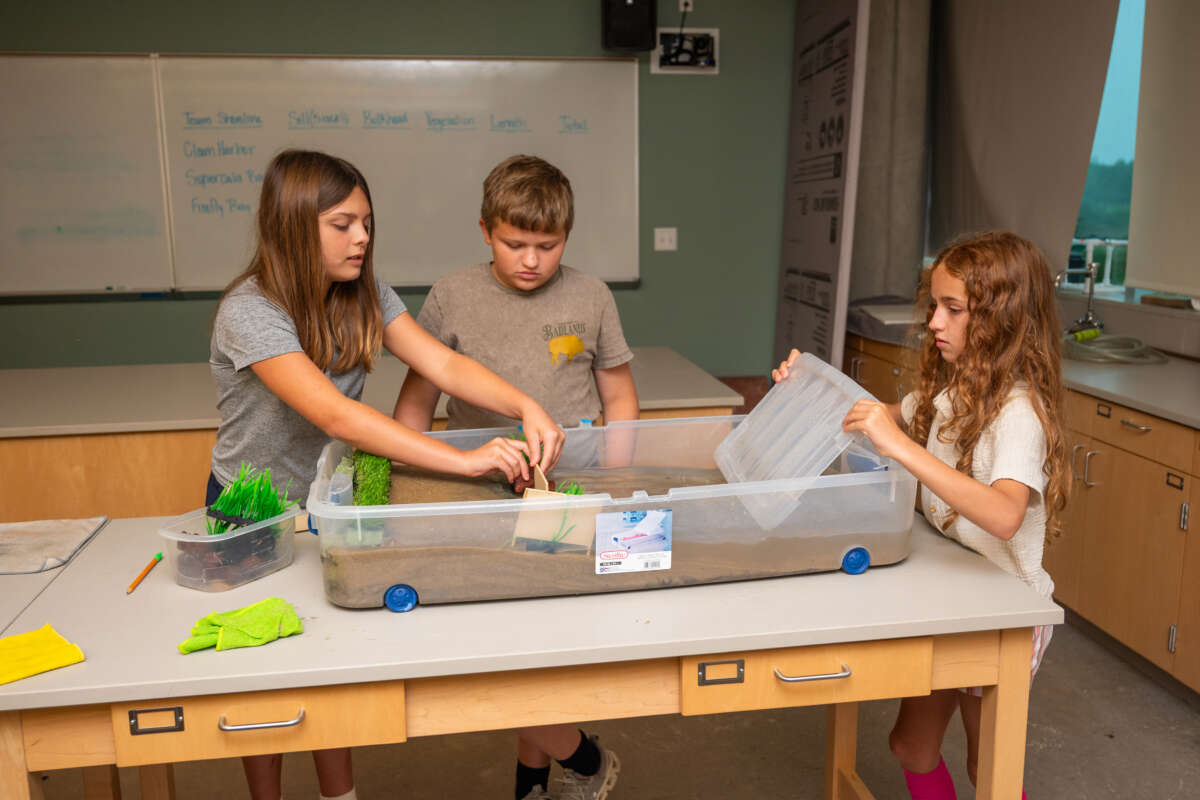
During Blue Horizons, campers learned about community resilience, oceanographic processes, and nature-based engineering. They were challenged to think about all that living at the coast entails and how people might best support their coastal communities in the face of increasing coastal hazards. Blue Horizons featured many hands-on components. Among other things, the campers crafted models of living shorelines, marine energy harvesters, wind turbines, and houses meant to withstand hurricane-force winds.
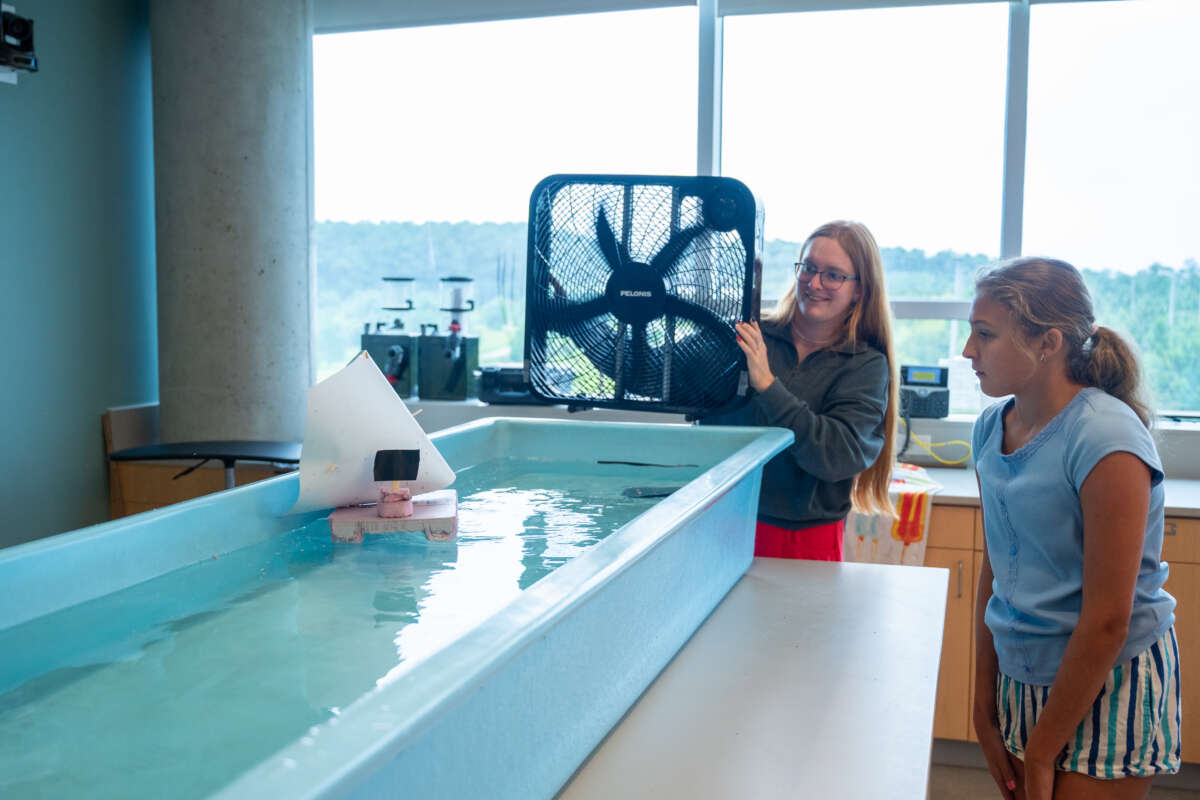
The final weeks of camp for the younger students were focused on shipwrecks and maritime archaeology. The Legends of the Atlantic campers interacted with maritime archaeologists and learned about local boatbuilding operations and nearby shipwrecks. They also received a special behind-the-scenes tour before exploring the main hall of the Graveyard of the Atlantic Museum in Hatteras. On-campus activities included racing their own model vessels shaped from building insulation foam, trying on SCUBA gear, and surveying a mock shipwreck to determine its identity.
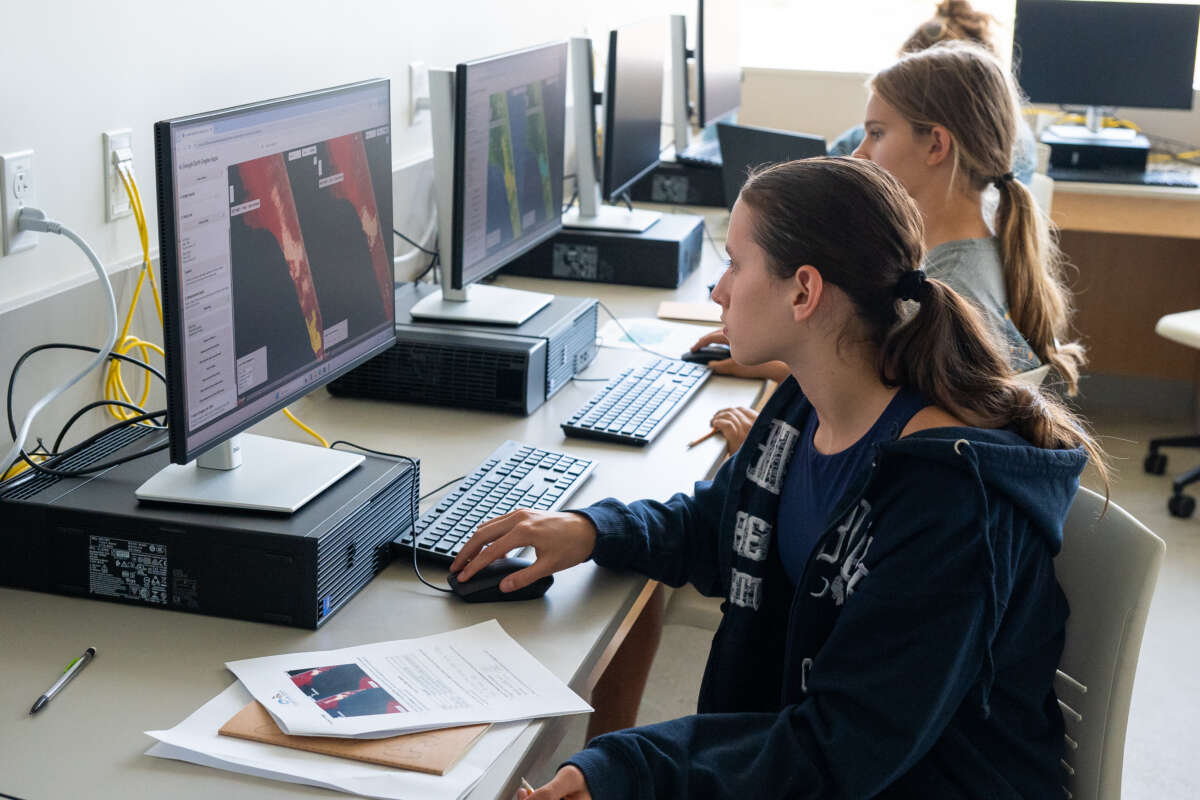
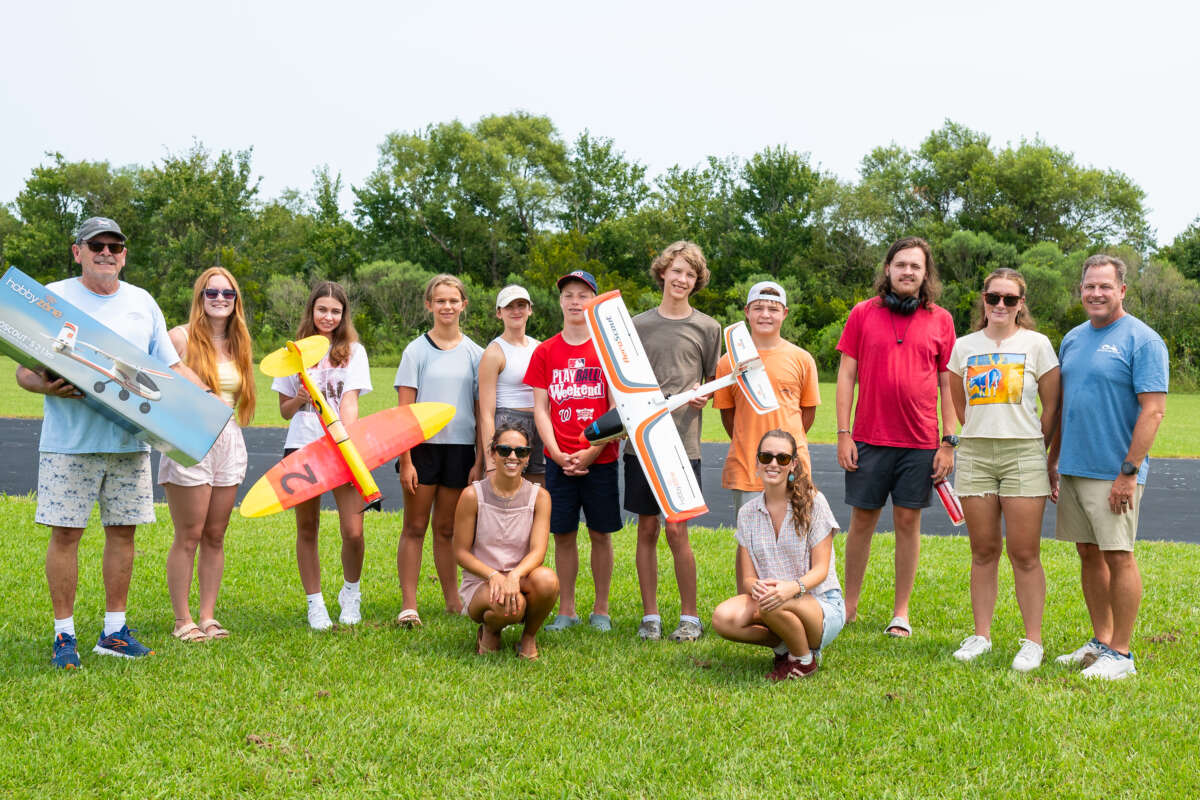
As for the teens-only camp, Coastal Explorers focused on marine science technology and remote sensing techniques. Students learned about satellites and the principles of flight before diving into the use of remote sensing tools such as drones and remotely operated vehicles, or ROVs, for research. Devices such as these help scientists and other professionals monitor changes on land and underwater over time. While at camp, the participants flew RC planes with help from the Dare RC Flyers, operated various types of drones, and built their own ROVs to complete a mission in the CSI wave tank.
CSI would like to extend a special thank you to the Dare County RC Flyers for their generous donation of an AeroScout RC plane. The aircraft will be used in CSI summer camps and other educational programs, giving students an exciting opportunity to explore the science and technology behind aviation through hands-on learning. We greatly appreciate the Dare County RC Flyers for their generosity and continued support of STEM education in our community.
“CSI camps are truly a special set of programs. By combining a mix of classroom lessons, hands-on activities, and local field trips, we’ve created a fun and engaging learning atmosphere for youth. It’s something we all look forward to throughout the year,” states acting camp director Parker Murphy.
The CSI Summer Camp line up holds something for everyone, as evidenced by the diversity of 2026 campers that included 94 individuals from eleven states, Washington, D.C., and New Zealand. Though the 2026 season is just winding down, plans are already in the works for 2027. For more information about CSI Summer Camps and updates on the 2027 season, visit https://www.coastalstudiesinstitute.org/summer_camps.
The preceding story first appeared in the Summer 2026 edition of CoastLines, published in September.
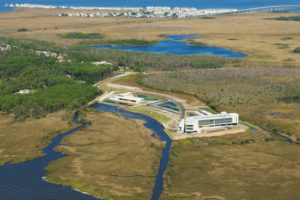 The ECU Outer Banks campus is home to the Coastal Studies Institute.
 Based at the Coastal Studies Institute (CSI), the North Carolina Renewable Ocean Energy Program (NCROEP) advances inter-disciplinary marine energy solutions across UNC System partner colleges of engineering at NC State University, UNC Charlotte, and NC A&T University. Click on the links below for more information.