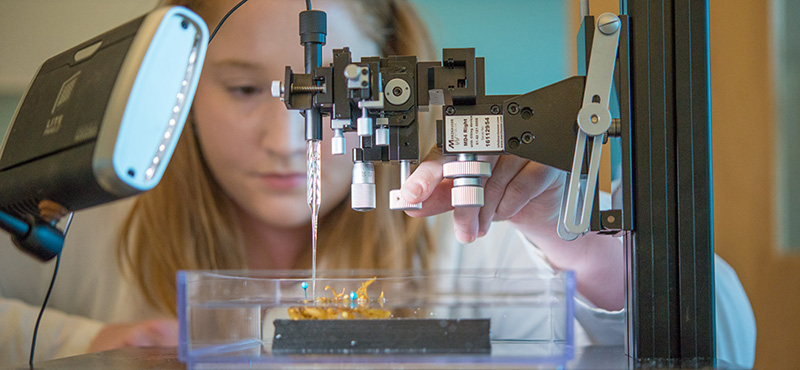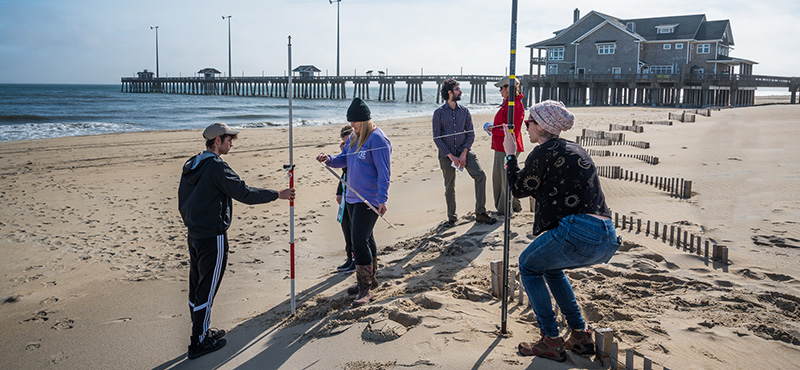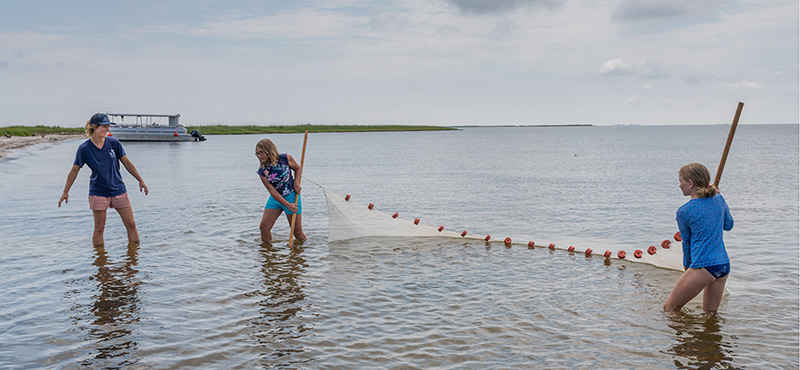
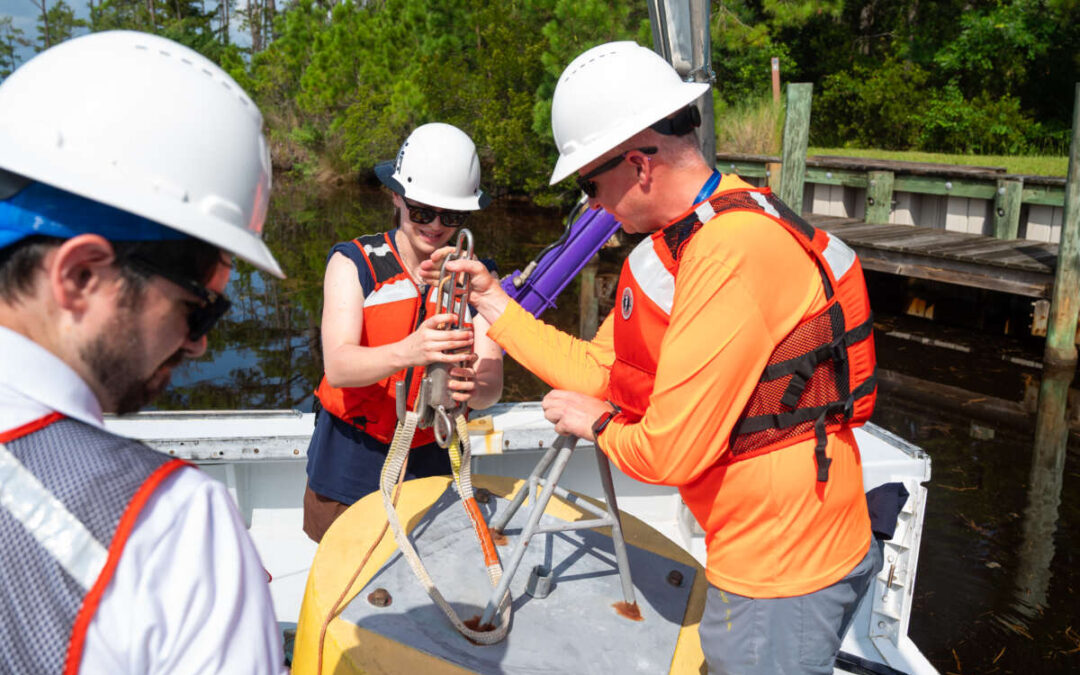
Summer 2026 proved to be a big season for CSI and Testing Expertise and Access for Marine Energy (TEAMER). In addition to providing technical support for marine energy device development and testing, TEAMER is also dedicated to offering professional development opportunities such as webinars and workshops. In July, CSI and TEAMER joined forces to offer an in-person Deck Operations workshop.
The three-day program held on the Outer Banks focused on the critical, high-intensity tasks that typically take place on board a vessel when preparing, deploying, and maintaining a marine energy device. The workshop brought together graduate students, early-career professionals, researchers, and device developers to learn from seasoned veterans from many facets of the industry.
“The Deck Ops Workshop provided exposure to what actually happens when an idea or device leaves the lab and has to go to sea,” said program organizer and ECU vessel captain Taz Lancaster.
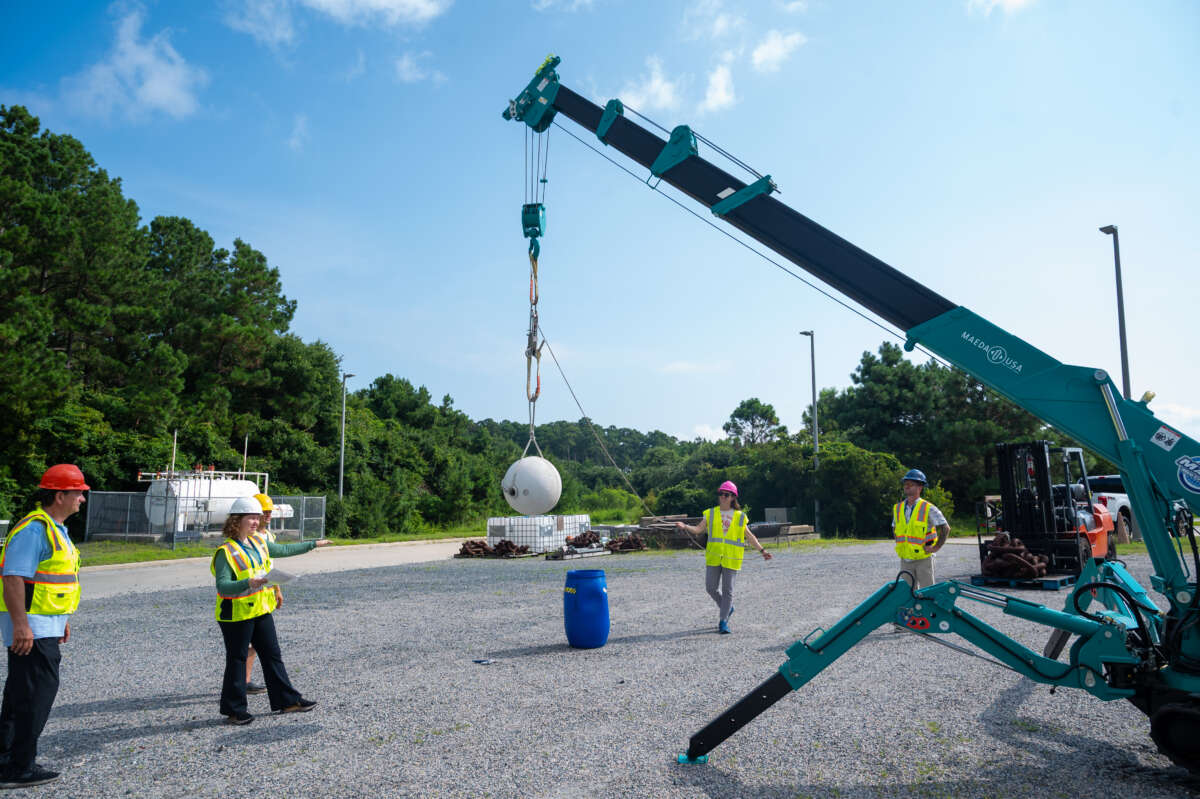
“A successful deployment involves much more than putting something over the side of a boat. There is vessel and deck safety, rigging, weather, environmental considerations, diving, communication, planning, and, most importantly, the people working together to make it happen safely. The Deck Ops workshop allowed students to experience those pieces firsthand and learn from people who have spent years conducting real marine operations.”
Through a series of training sessions, lectures, and activities that focused on safety, deployment logistics, troubleshooting, and more, participants received hands-on experience in planning and executing marine energy device deployments. They also learned about complementary dive operations and had the opportunity to earn a Foundational-level micro-credential from the Marine Technology Society. The main goal of the workshop was to have participants take the knowledge provided through the program content into consideration when designing marine energy devices and planning for their deployment and servicing.
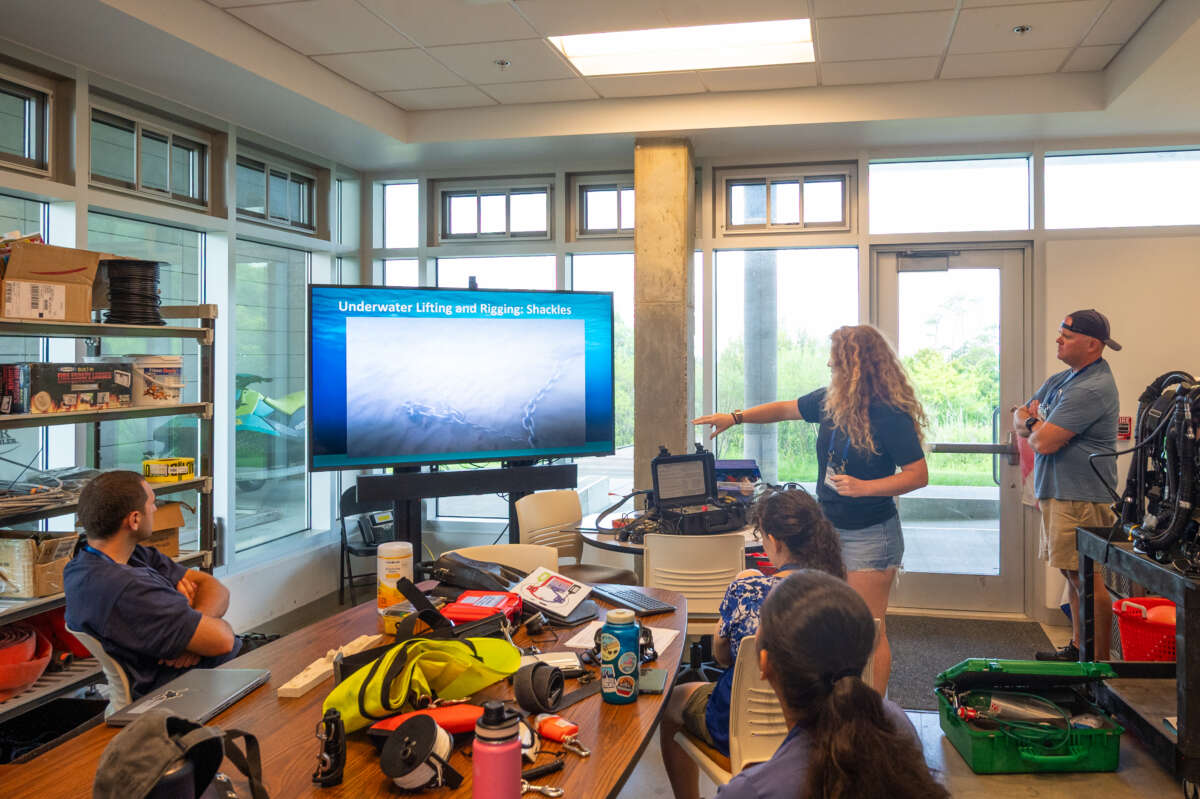
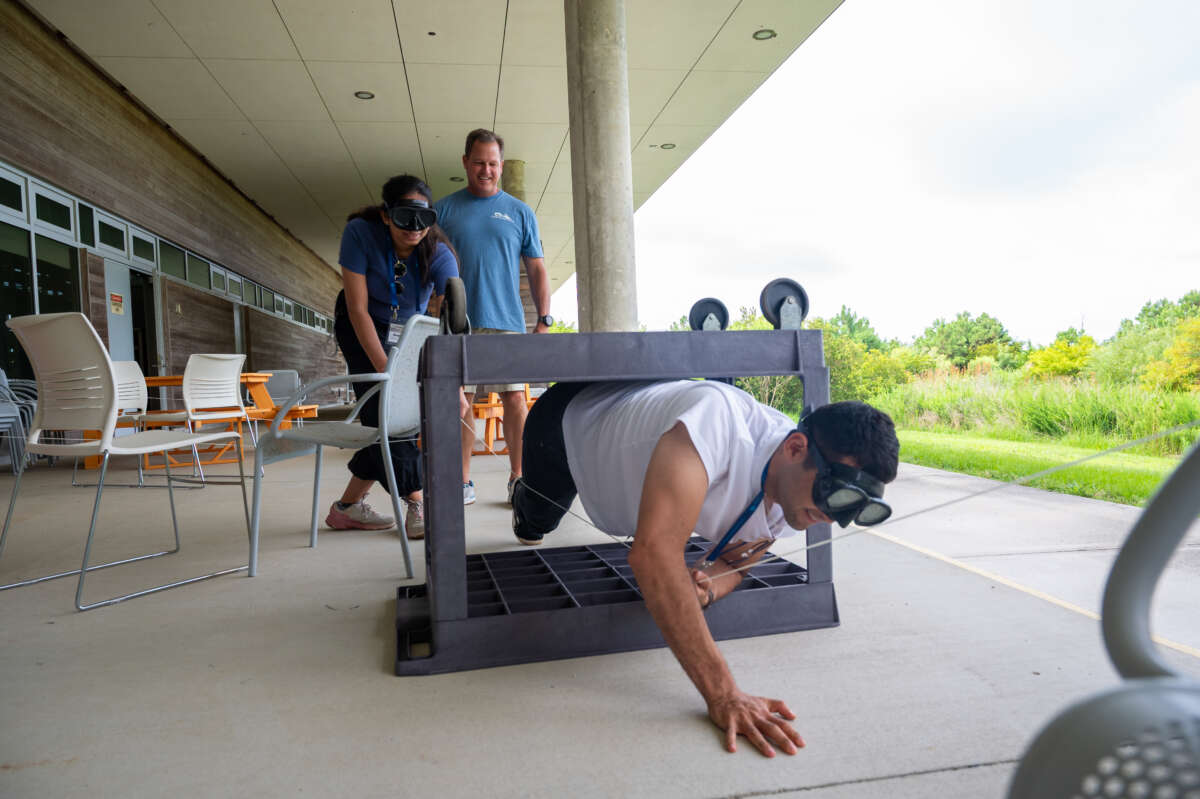
“One of the best outcomes from the workshop was bringing the engineering, science, and marine operations sides together. Giving people that operational perspective early can ultimately lead to better designs, safer deployments and stronger collaboration between the people designing technology and the crews responsible for putting it in the water,” shared Lancaster.
By the end of the workshop, participants left with a new understanding of marine energy device deployment, stronger field-related problem-solving skills, and a heightened sense of workforce readiness. The course was the first of its kind to be hosted at CSI and was incredibly successful. Organizers were pleased with the program execution, and participants provided strong scores and positive feedback in final evaluations. Most importantly, a new group of participants are now better prepared to enter or return to the marine energy industry, a win for all involved.
The preceding story first appeared in the Summer 2026 edition of CoastLines, published in September.
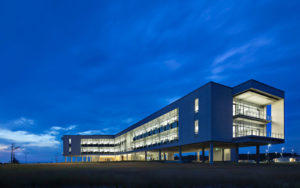
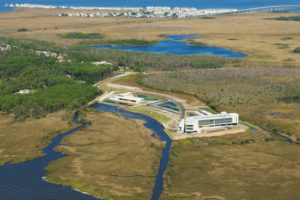 The ECU Outer Banks campus is home to the Coastal Studies Institute.
 Based at the Coastal Studies Institute (CSI), the North Carolina Renewable Ocean Energy Program (NCROEP) advances inter-disciplinary marine energy solutions across UNC System partner colleges of engineering at NC State University, UNC Charlotte, and NC A&T University. Click on the links below for more information.