K-12 Field Trips
K-12 SCHOOL PROGRAMMING
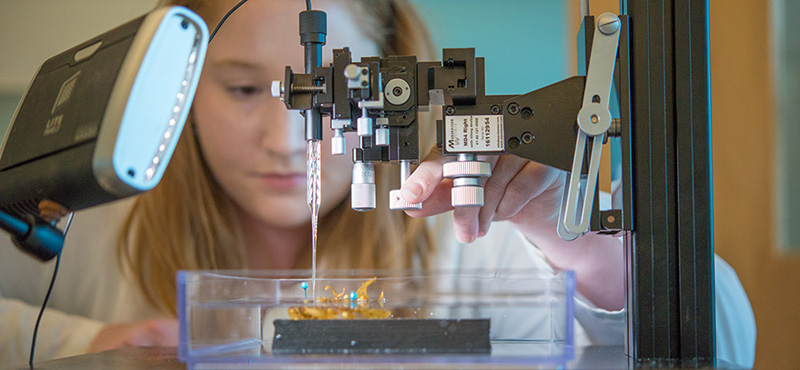
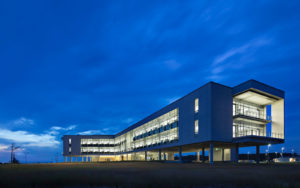
The opening of the Coastal Studies Institute’s state-of-the-art research and education campus on Roanoke Island in December of 2012 has provided many new opportunities for science education on the Outer Banks. The K-12 programs utilize the location of the campus on the Croatan Sound, and students work in the science labs and teaching spaces within the facility. Students will use some of the same scientific processes and equipment that our researchers and scientists use while studying the coastal processes of northeastern North Carolina.
CSI currently has program offerings for upper elementary through high school-age students. Many of the programs can also be adapted for additional ages. Please email Lauren Kerlin or call 252-475-5451 with any questions or to schedule a program. There is a $10-$20 per person programmatic fee for each program which must be paid in advance of the program.
Middle School Programs: Grades 5- 8
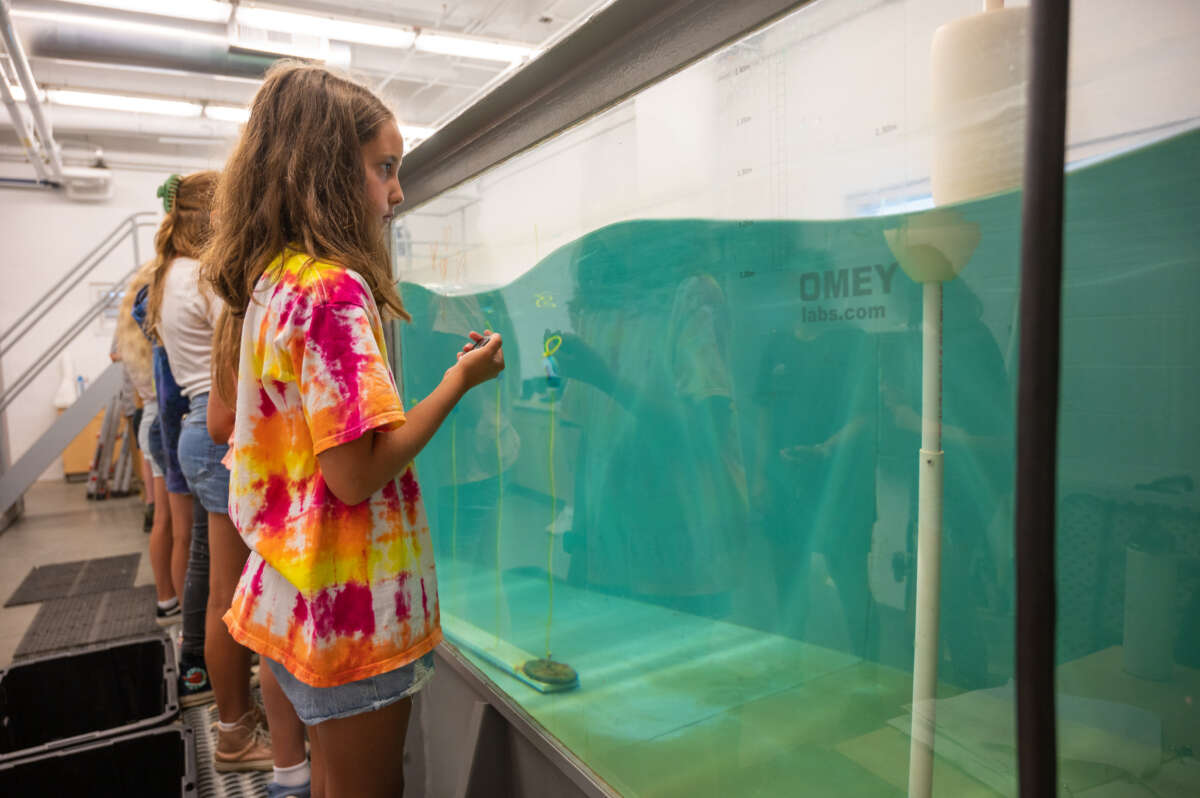
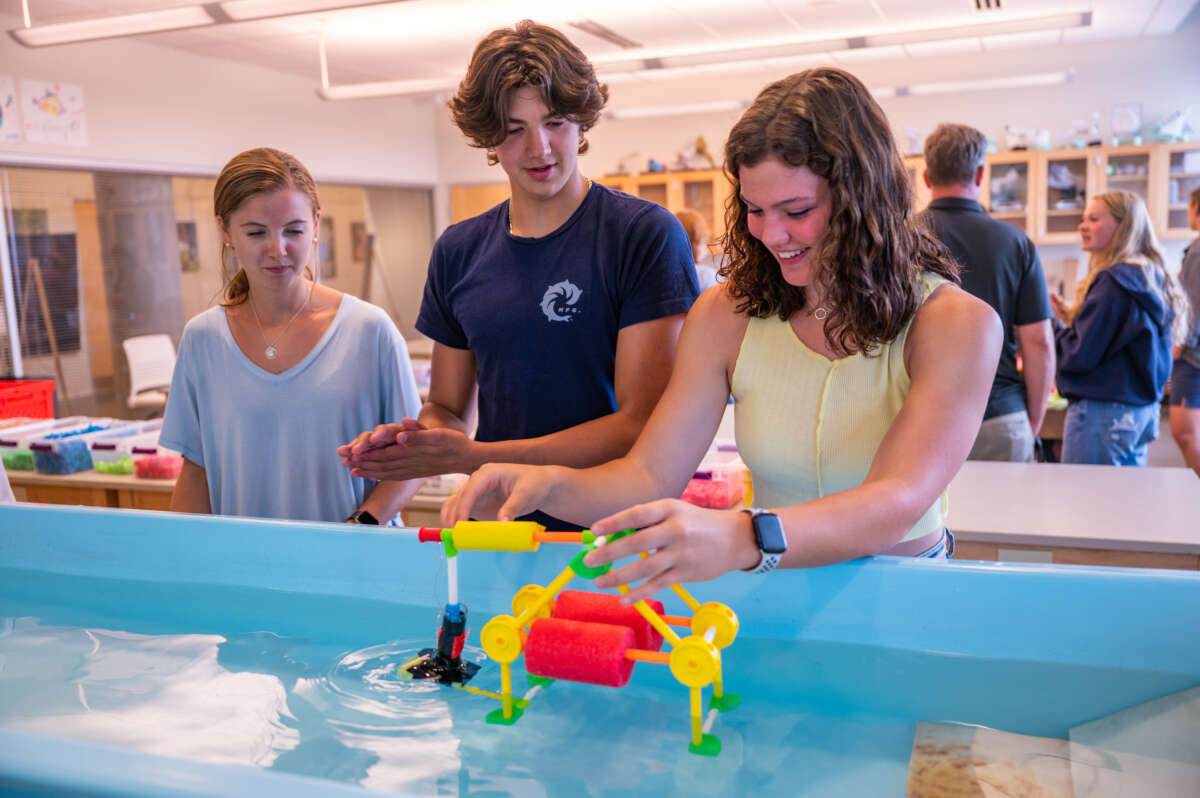
Electric Currents & Energizing Waves (PSc.3.1, PSc.3.2, PSc.3.3, EEn.2.8, Phy.2.1, Phy.2.2, Phy.2.3, Phy.3.2) demonstrates the potential sources of renewable energy in the ocean. Students will learn about basic oceanography and electricity principles before crafting their own model wave energy converter.
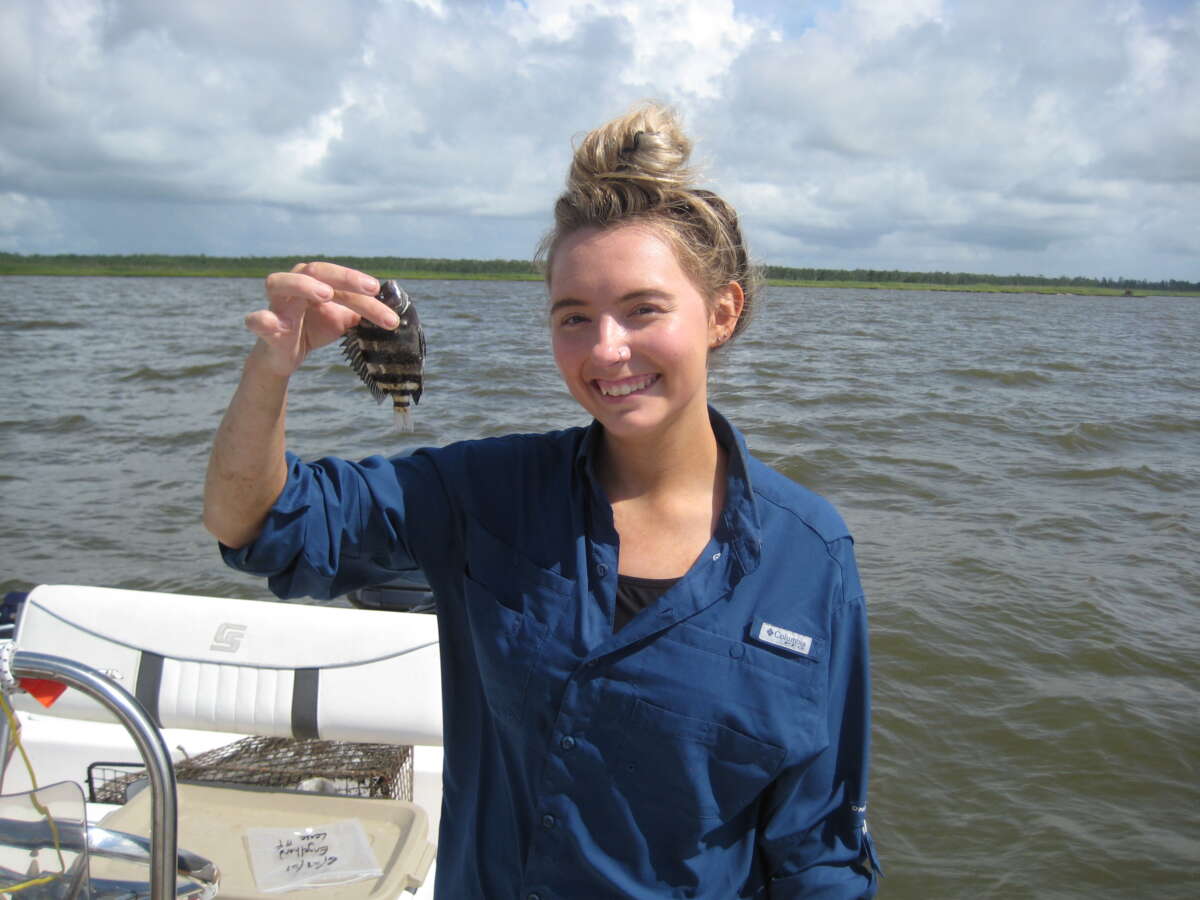
Fishy Findings (EEn.2.6.4, EEn.2.7.2, EEn.2.7.3, 8.L.3.1, Bio.2.1.2, Bio.2.1.3, Bio.2.1.4, Bio.2.2.1, Bio.2.2.2) uses sheepshead in the Albemarle-Pamlico Estuarine System as a case study to highlight the importance of fisheries ecology studies and the insights they provide to better understand species, ecosystem interactions, population changes, and future management practices.
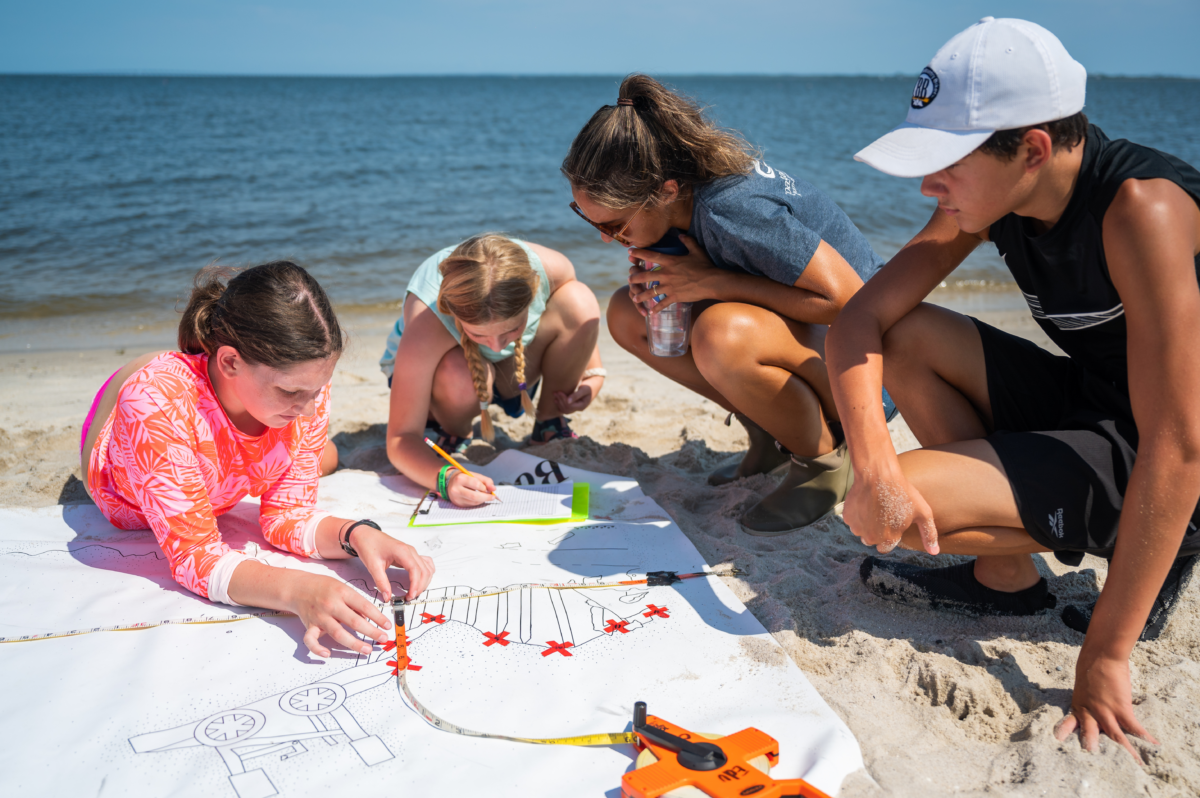
North Carolina Shipwrecks (C.1, 5.G.1, 6.E.1, 8.H.1, 8.H.2, 8.E.1, 8.L.3) focuses on our unique maritime history, the science of diving, and the role of shipwrecks as artificial reefs. Students will identify and sketch a mock shipwreck through observation, data collection, and graphing.
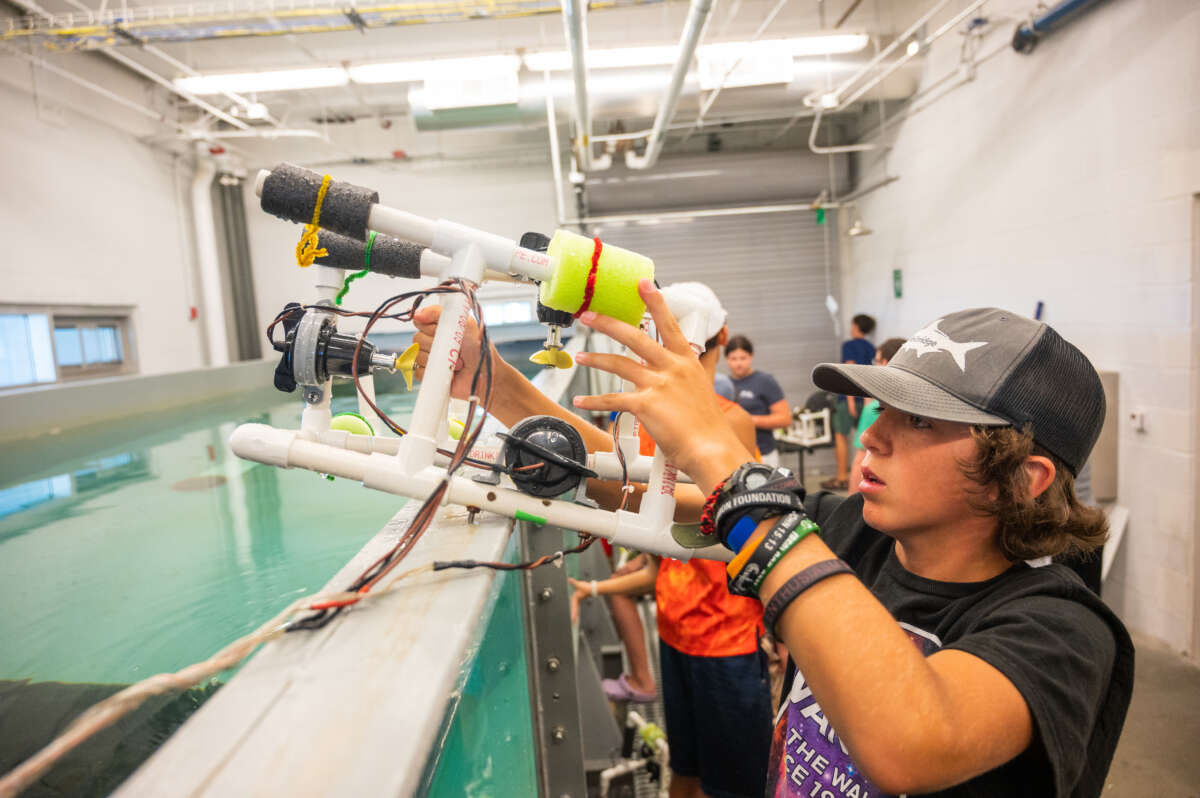
Ocean ROVers (E.1, 5.L.2, 6.L.2, 7.E.1, 8.E.1) highlights the technology used by CSI scientists to collect oceanographic and estuarine data in harsh, salty environments. Students will design and construct a remotely operated vehicle (ROV). Code writing and drone piloting may also be included in this program.
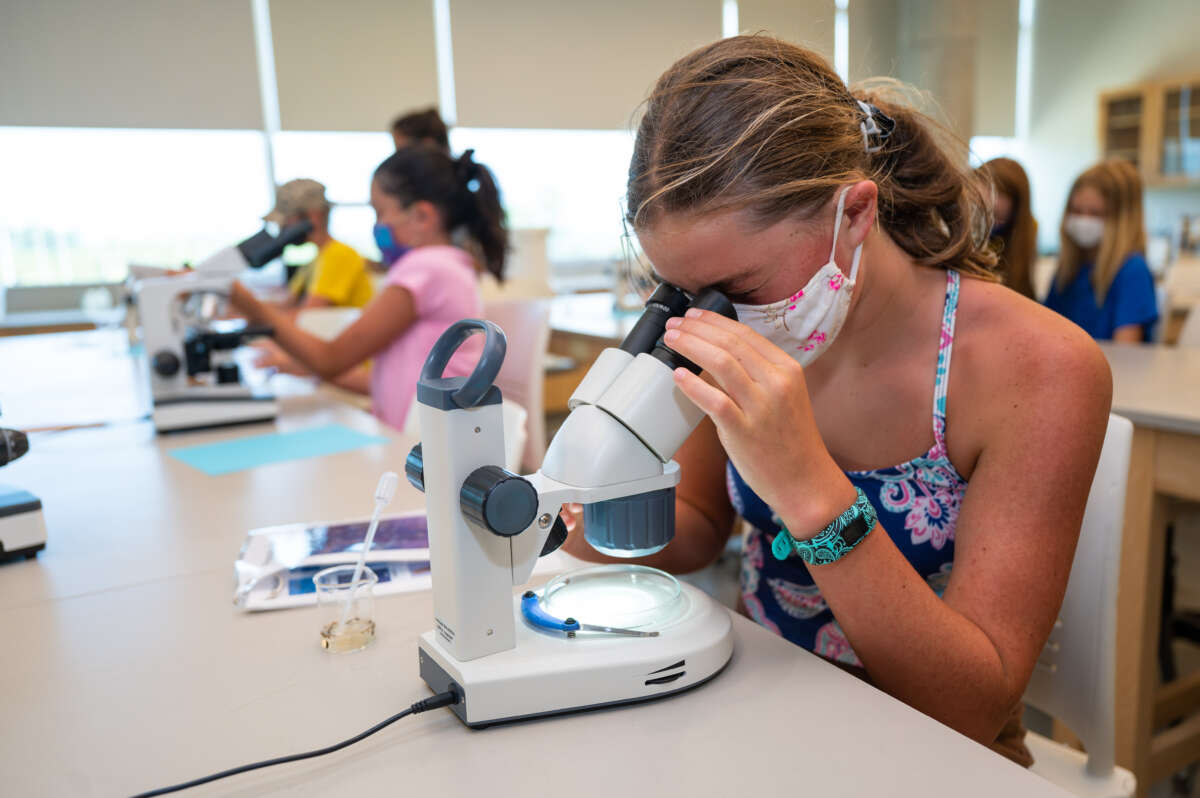
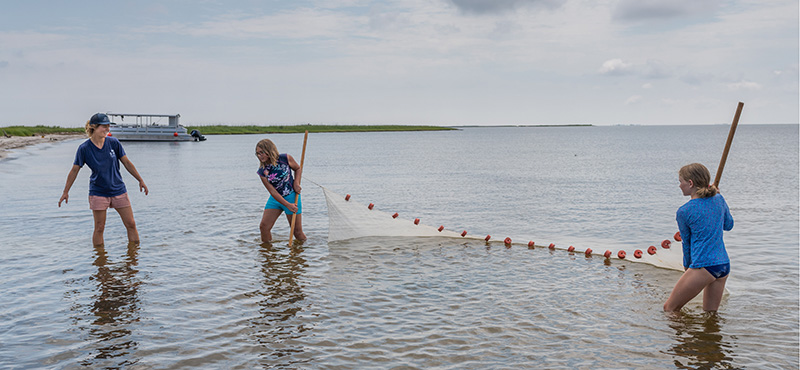
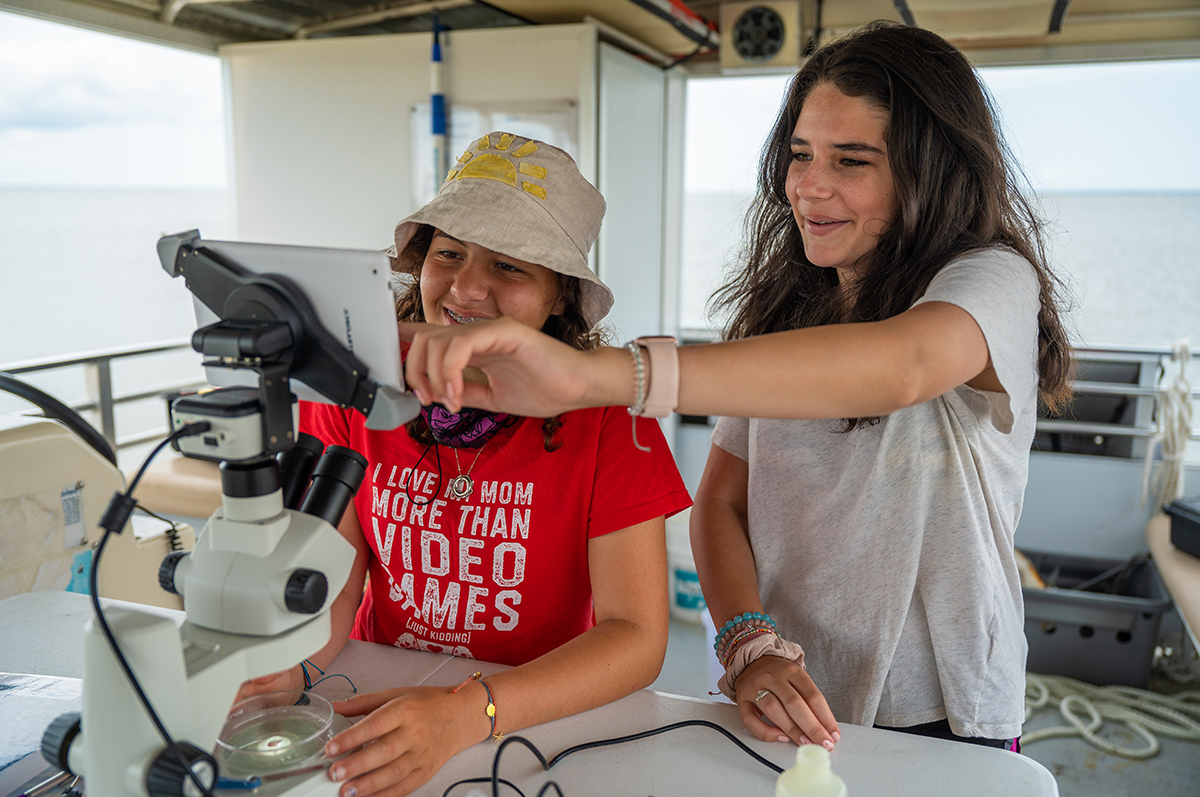
In The Power of Plankton (L.2, 6.L.1, 6.L.2, 7.L.1, 8.E.1, 8.L.3) students investigate the unique local estuarine ecosystem through hands-on experiences such as water and plankton sampling, seining, and/or wetland mapping.
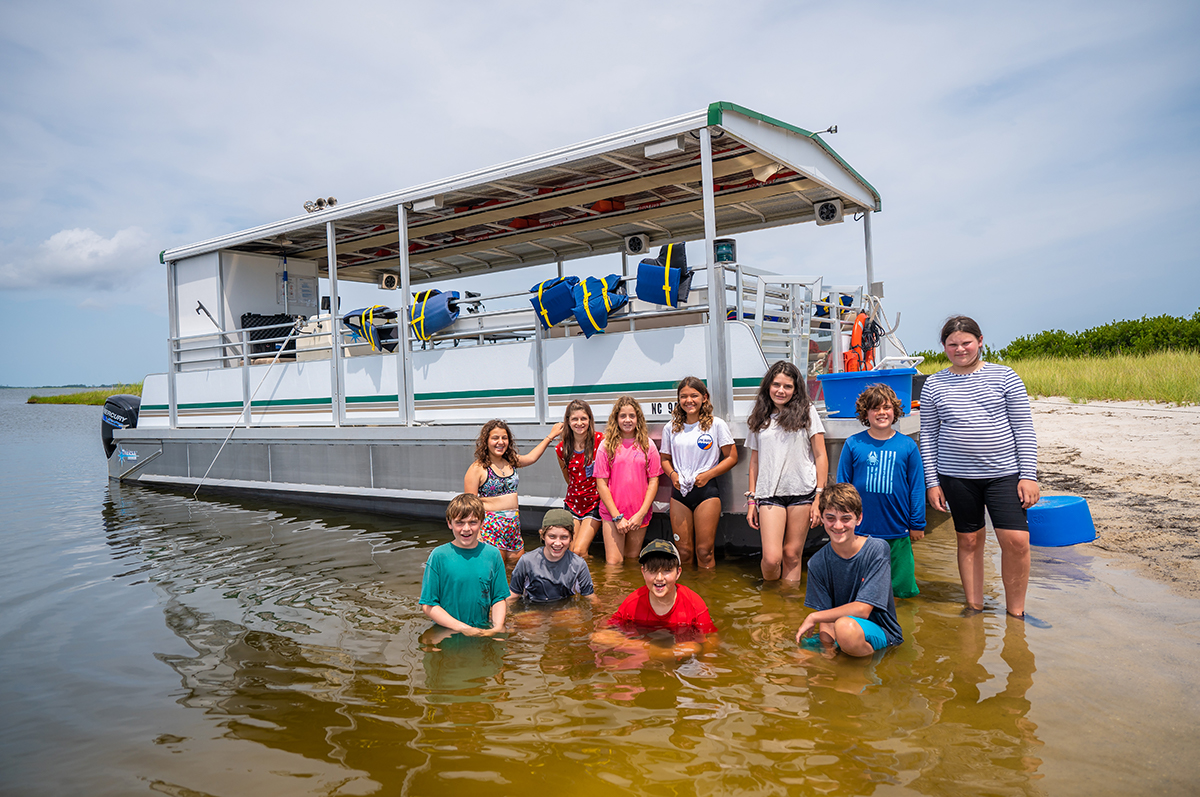
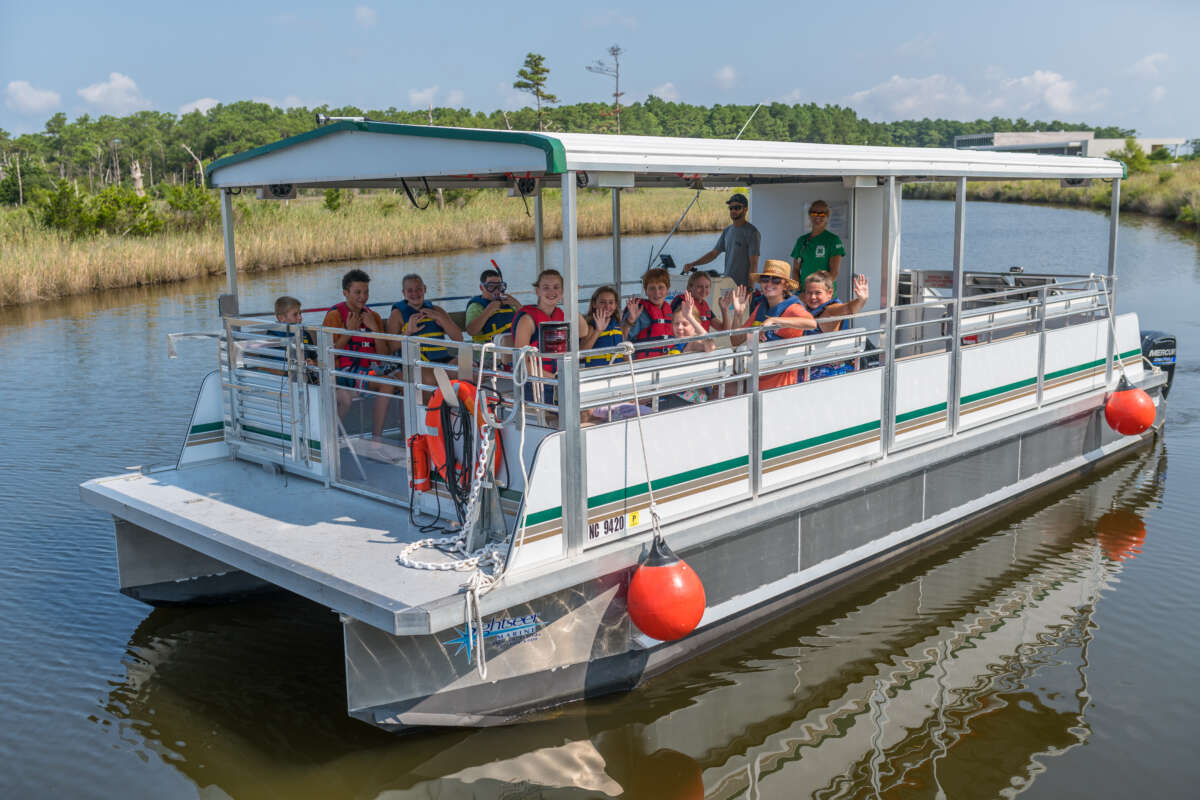
Explore the estuary in our On-The-Water Boat Program. Board the USCG-certified Discovery for a two-hour program in which students will learn first-hand about estuarine habitats and their importance. The trip includes a visit to a nearby island where students will collect marine organisms and explore diverse estuarine habitats while learning about water quality and ways to protect these valuable nurseries.
High School Programs: Grades 9- 12
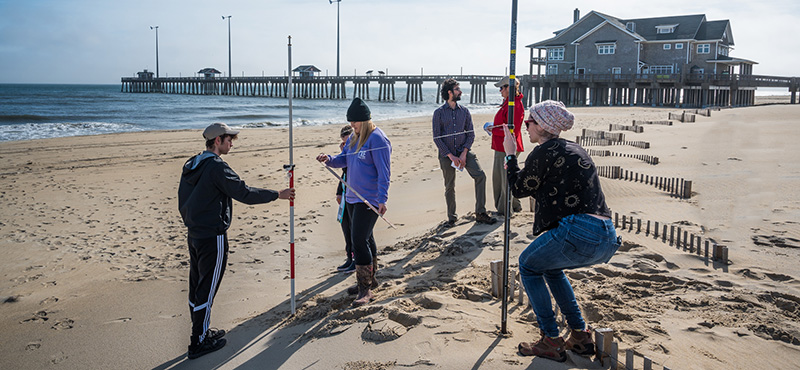
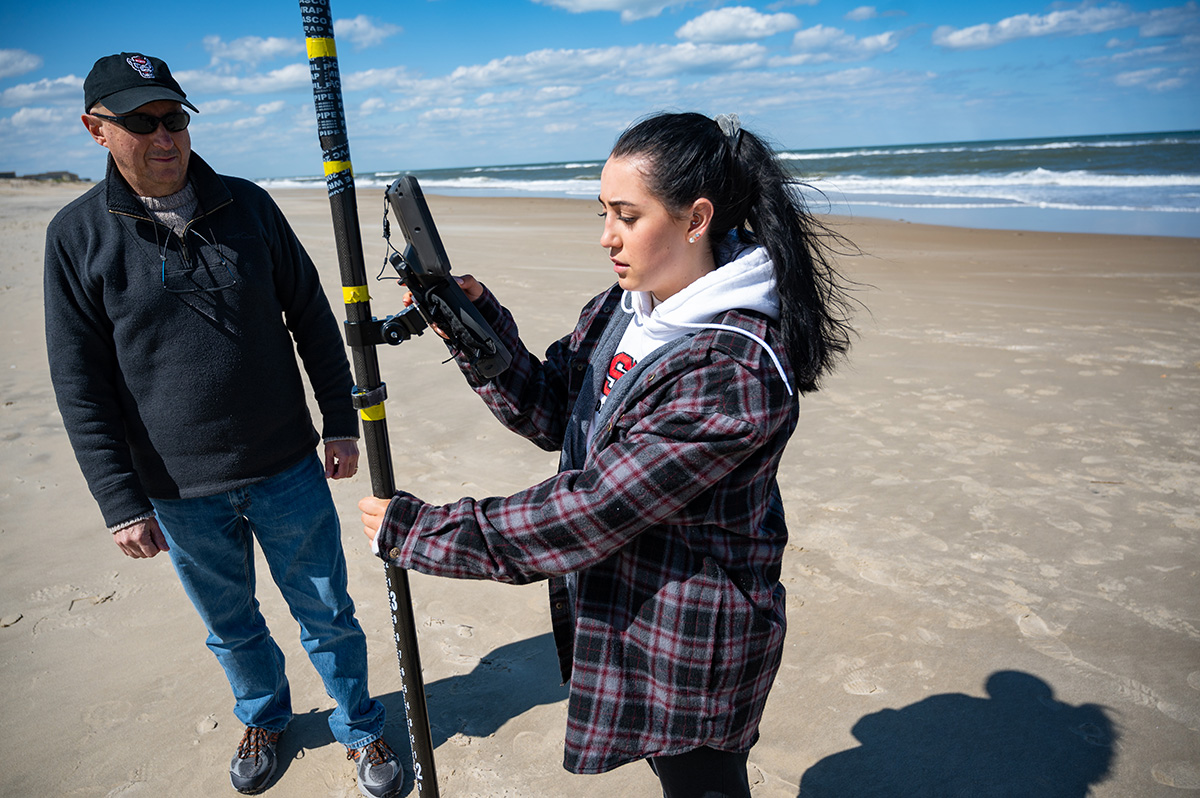
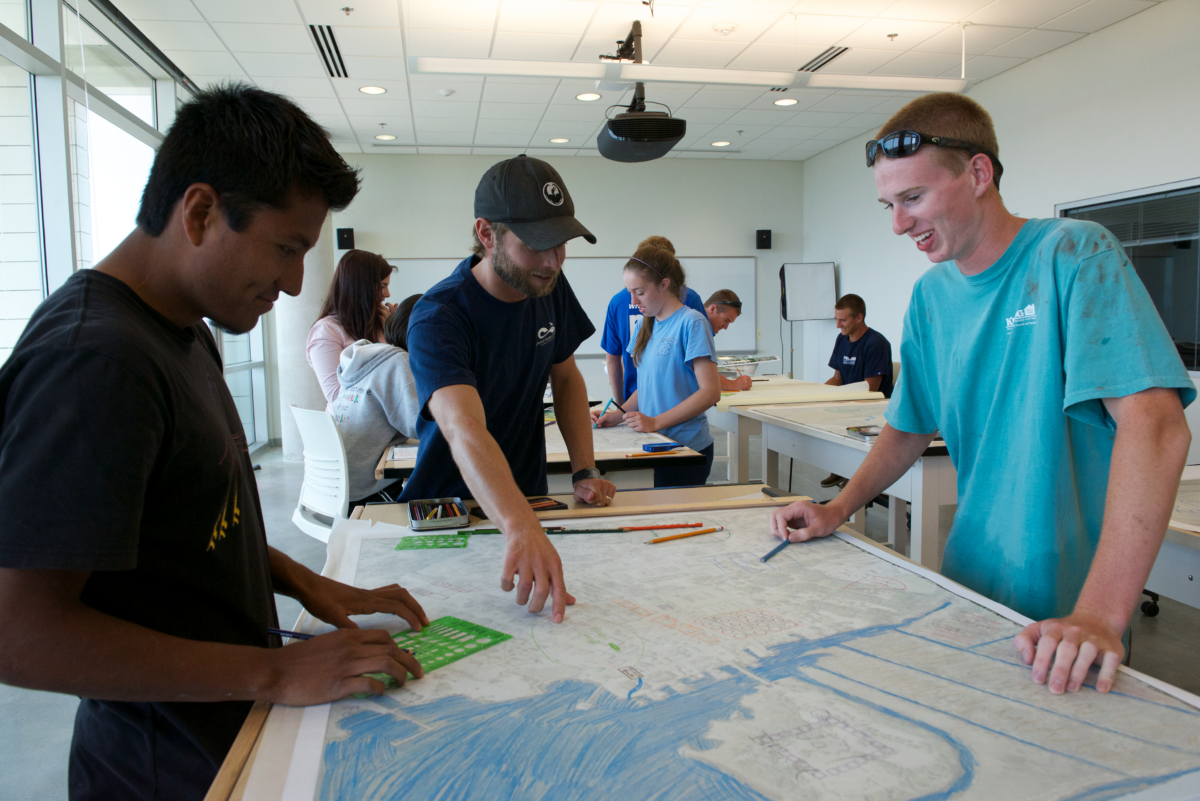
Changing Shorelines (CX.2.2, 8.P.1, I.1.5, I.1.6, I.1.7, I.1.8, I.1.9, I.1.10, EC.8.G.1.4) allows students to critically engage with the costs and benefits of shoreline stabilization. Students will investigate what makes certain areas more suited to certain stabilization techniques, as well as think about the potential impacts of implementation on the surrounding ecosystem.
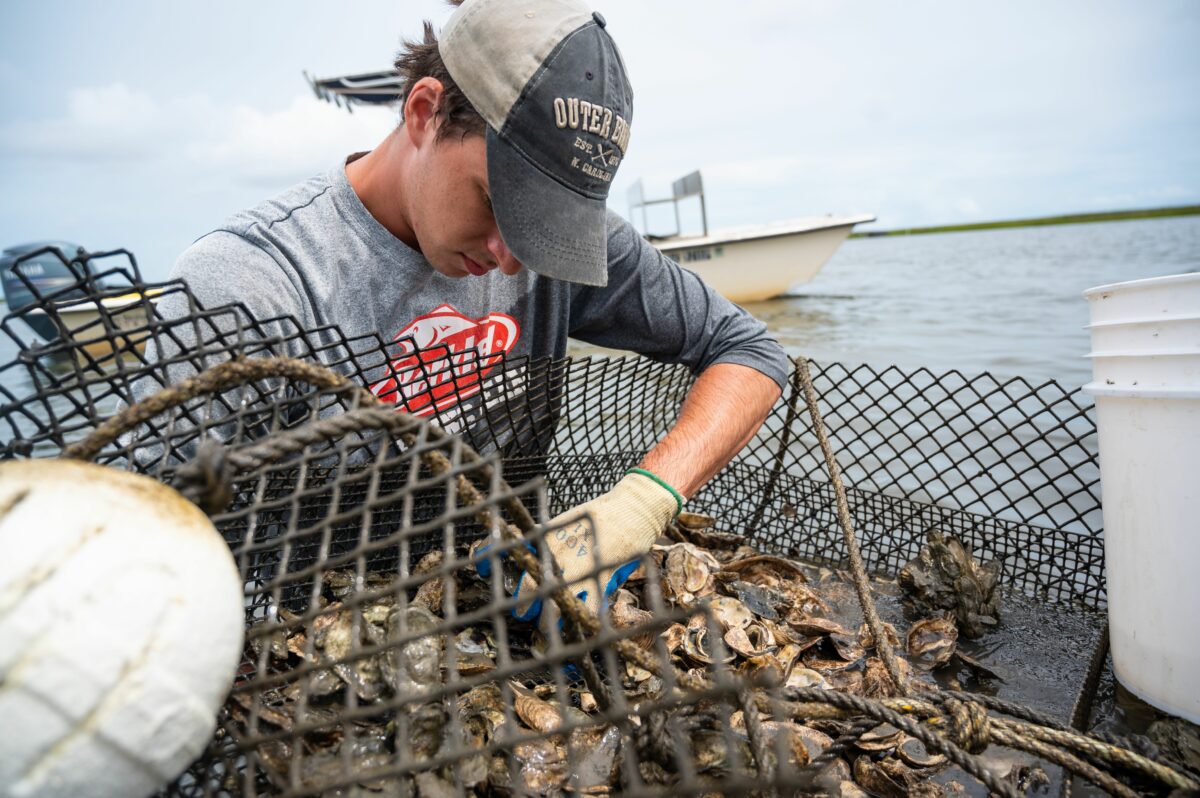
Oyster Ecosystems (2.1, Bio.2.2, Bio.3.5, EEn.2.2, EEn.2.4) highlights the important role oysters play in the Albemarle-Pamlico. Students will explore an oyster clump straight from the Croatan Sound to identify microorganisms, measure oyster growth, and better understand the biological relationships on an oyster reef.
Electric Currents & Energizing Waves (PSc.3.1, PSc.3.2, PSc.3.3, EEn.2.8, Phy.2.1, Phy.2.2, Phy.2.3, Phy.3.2) demonstrates the potential sources of renewable energy in the ocean. Students will learn about basic oceanography, wave characteristics, and electricity principles before crafting their own model wave energy converter.
In Sustainable Coastal Communities (L.2, 5.E.1, 6.E.2, 8.E.1, Bio.2.1, Bio.2.2, EEn.2.2, EEn.2.4, EEn.2.7, EEn.2.8), students will design their own communities, giving attention to the importance of preserving fragile natural resources and valuable cultural heritage all while promoting economic growth on the Outer Banks.
Explore the estuary in our On-The-Water Boat Program. Board the USCG-certified Discovery for a two-hour program in which students will learn first-hand about estuarine habitats and their importance. The trip includes a visit to a nearby island where students will collect marine organisms and explore diverse estuarine habitats while learning about water quality and ways to protect these valuable nurseries.
 Based at the Coastal Studies Institute (CSI), the North Carolina Renewable Ocean Energy Program (NCROEP) advances inter-disciplinary marine energy solutions across UNC System partner colleges of engineering at NC State University, UNC Charlotte, and NC A&T University. Click on the links below for more information.
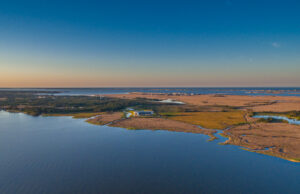 ECU's Integrated Coastal Programs (ECU ICP) is a leader in coastal and marine research, education, and engagement. ECU ICP includes the Coastal Studies Institute, ECU's Department of Coastal Studies, and ECU Diving and Water Safety.
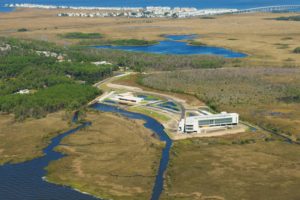 The ECU Outer Banks campus is home to the Coastal Studies Institute.