Marine Social-Ecological Systems Lab
Research Lab Overview
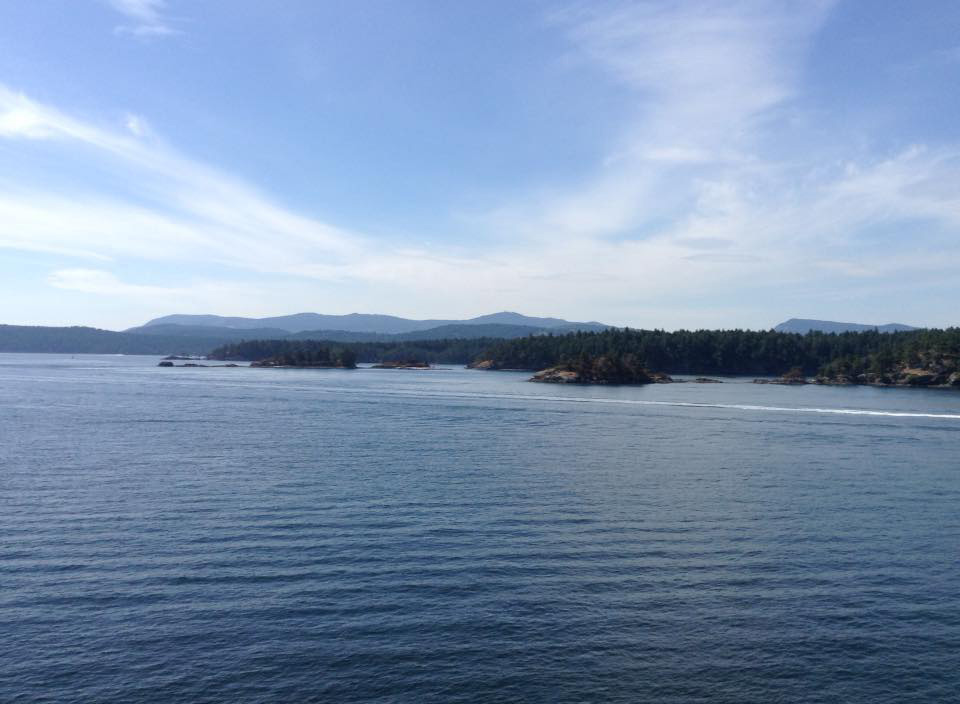
Our lab studies interdisciplinary research questions related to biodiversity conservation, natural resource management, and climate change adaptation in coastal and marine areas. We are particularly interested in exploring (1) the influence of governance and socio-economic factors on marine and coastal conservation outcomes, (2) social-ecological dynamics in marine fisheries, and (3) responses of marine resource users and managers to environmental changes in coastal and marine ecosystems. Our work is highly interdisciplinary and informed by models and theories in human geography, governance, conservation sciences, risk, and natural resource management. We employ a mix of social science and geospatial methods to explore human-environment dynamics at multiple spatial scales ranging from local to global and we work closely with local communities and government agencies to bring
theoretical perspectives to existing management challenges. Our research has been supported by multiple agencies including NSF, the Belmont Forum, NOAA Sea Grant, the International Climate Initiative, the Nature Conservancy and others.
Contact Information:
Nadine Heck
Assistant Professor
Department of Coastal Studies
Assitant Scientist
Coastal Studies Institute
Phone: 2524755495
Email: heckn19@ecu.edu
Website: www.hecklab.weebly.com
Current and Recent Research Projects
Protected Areas & Mangrove Conservation
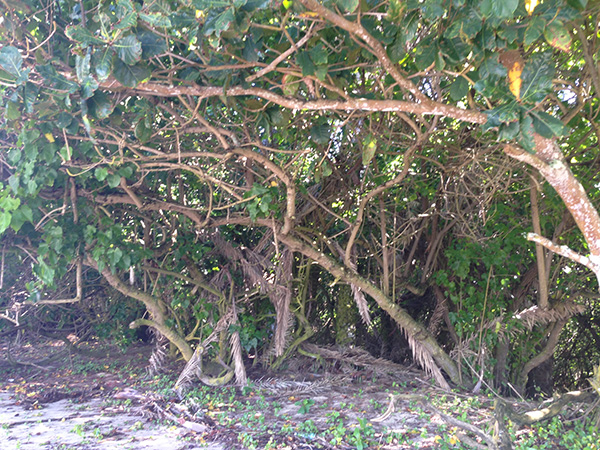
Mangroves are being lost globally due to a variety of natural and human drivers. As part of an interdisciplinary team, we study the effectiveness of established protected areas to conserve mangroves. We combine global data on mangrove loss, mangroves gains, and protected areas to identify to what extent mangroves are decreasing or increasing in protected areas, the drivers of change in mangrove cover, and how governance and management approaches are shaping these changes.
Adaptation to environmental change in the NC shrimp fishery
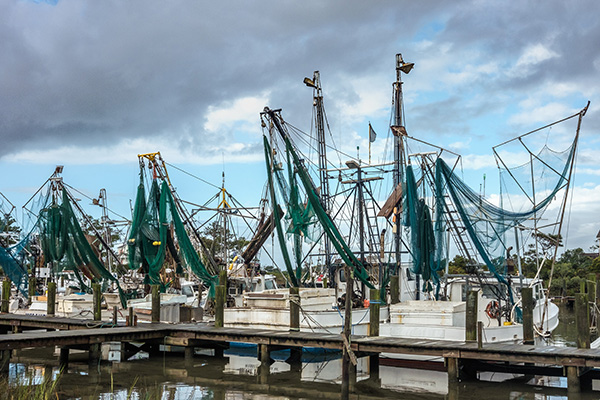
Penaeid shrimp, including brown and white shrimp, are of great economic, cultural, and ecological importance to North Carolina. Shrimp have a complex life history and annual abundance is highly variable. This variation is primarily due to environmental factors, but there has been a lack of comprehensive analysis of factors that influence shrimp recruitment and abundance. We combine ecological modeling with fishers’ opinions to identify drivers of both year-to-year and long-term changes in shrimp abundance and availability. Our findings will compare findings of fishers’ knowledge and scientific modeling and identify how different types of knowledge contribute to the understanding of changes in the NC shrimp fishery.
Ocean resource conflicts
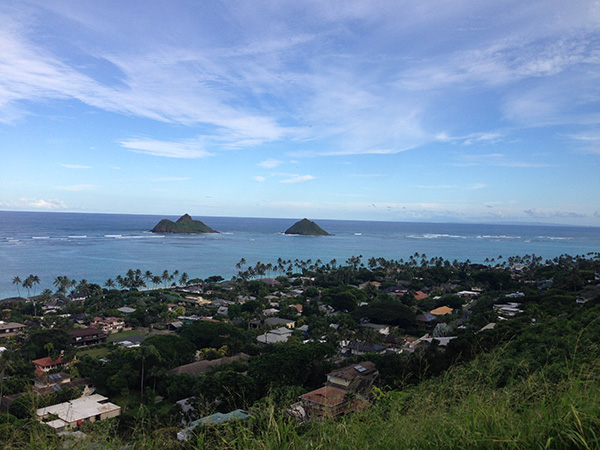
Oceans provide resources and ecosystem services to multiple marine sectors and stakeholders. As part of an international NSF funded study, we explore ocean resource conflict in the context of coral reef management in Hawaii. The study identifies to what extent upland use if affecting the health of the near share coral reef systems and explores potential solutions for resolving this conflict.
Lab News
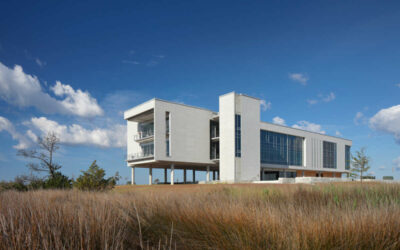
Guided Tours of ECU Outer Banks Campus Start This Fall
You've likely seen our building standing alone in the marsh, but have you ever come inside? Now is your chance to explore the ECU Outer Banks Campus. Commencing October 11, tours of the ECU Outer Banks Campus, home to the Coastal Studies Institute, will be held on the...
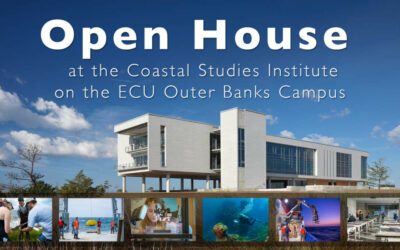
CSI Open House To Be Held June 4
Spend June 4th on Roanoke Island! Check out Dare Days in Manteo, grab some lunch in town, then come on over to the beautiful ECU Outer Banks Campus for the highly-anticipated revival of the Coastal Studies Institute’s annual Open House.After a two-year hiatus, CSI’s...
Faculty Highlight: Dr. Nadine Heck
How does one choose a career when interested in so many different things? That is a question that Dr. Nadine Heck, Assistant Professor in the Department of Coastal Studies, once had to answer. Dr. Heck grew up in Germany on Lake Constance – an inland “ocean” bordered...
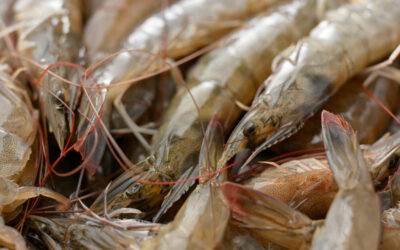
Researchers Share Updates on National Shrimp Day
These days it seems there is a particular day devoted to celebrating almost anything that comes to mind. While some holidays, like the recent observance of Mother’s Day, are widely recognized, today’s event is likely more obscure to most, though no less relevant to us...
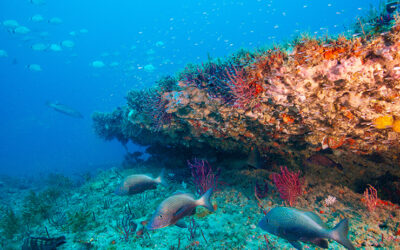
Study Shows Coral Reefs Provide Protection for Most Vulnerable People
Island nations are increasingly facing threats from large storm events such as hurricanes and cyclones. Often these small island developing nations include communities with a large number of poor and vulnerable people who are more susceptible to the impacts and damage...
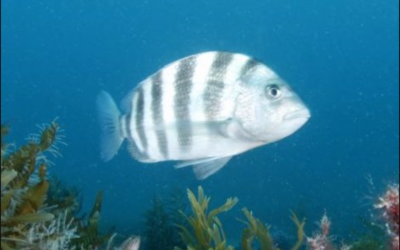
Jim Morley Brings Shrimp and Sheepshead Studies to CSI
Jim Morley, a new assistant scientist at CSI and assistant professor in the Department of Biology at ECU, is excitedly anticipating all the possibilities of the work to come here at the Coastal Studies Institute on the ECU Outer Banks Campus. While his work has been...
Faculty Spotlight: Nadine Heck
Growing up on the shores of Lake Constance in southern Germany, where natural beauty co-exists with a long history of human habitation, Dr. Nadine Heck has always been curious about how people interact with, manage, and conserve the natural landscapes around them....
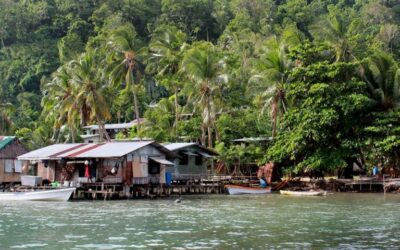
CSI and ECU Faculty Publish Paper on Coastal Adaptation in Pacific Island Nations
In a just-published paper, Drs. Siddarth Narayan and Nadine Heck, along with an international team of collaborators, examine how communities affected by coastal hazards choose to adapt. By analyzing data collected from coastal communities in four Pacific island...
Related Research Focus Areas
Coasts
&
People
 Based at the Coastal Studies Institute (CSI), the North Carolina Renewable Ocean Energy Program (NCROEP) advances inter-disciplinary marine energy solutions across UNC System partner colleges of engineering at NC State University, UNC Charlotte, and NC A&T University. Click on the links below for more information.
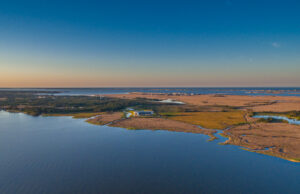 ECU's Integrated Coastal Programs (ECU ICP) is a leader in coastal and marine research, education, and engagement. ECU ICP includes the Coastal Studies Institute, ECU's Department of Coastal Studies, and ECU Diving and Water Safety.
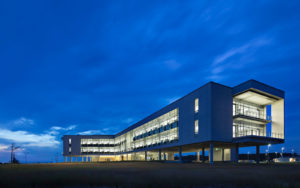
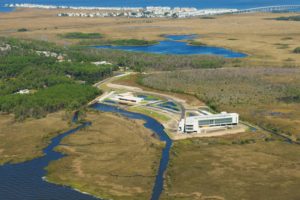 The ECU Outer Banks campus is home to the Coastal Studies Institute.